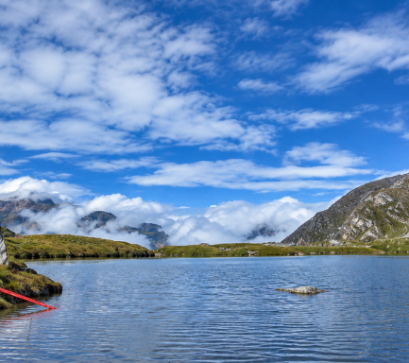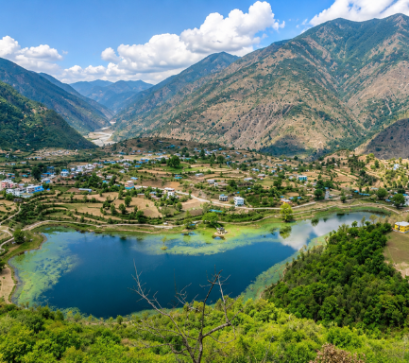
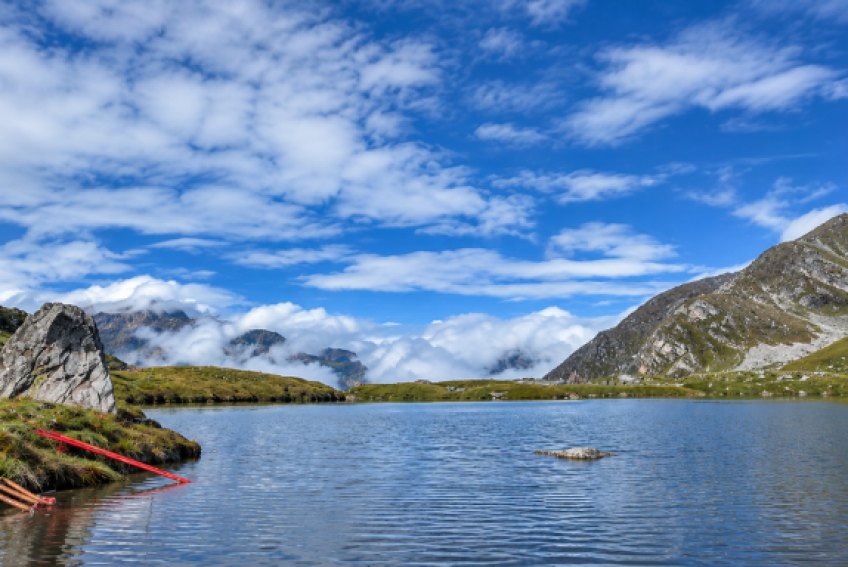
Far from Nepal’s popular trekking routes, Surma Sarovar lies at approximately 4,333 metres above sea level in Bajhang District, Sudurpashchim Province. Also known as Mini Kailash, this sacred Himalayan lake is an important pilgrimage destination for Hindu devotees and an adventurous trekking destination surrounded by rocky mountains, alpine meadows, and remote wilderness.
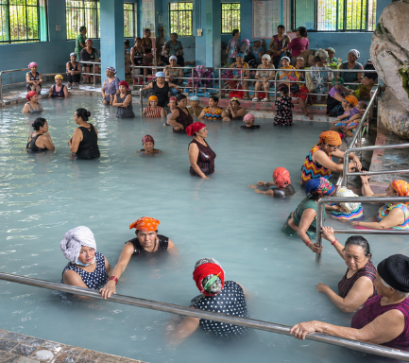
Surma Sarovar holds deep religious significance among communities in western Nepal. According to local Hindu beliefs, the lake is the sacred abode of Goddess Surma Devi. Devotees believe that bathing in its holy waters brings spiritual purification and blessings.
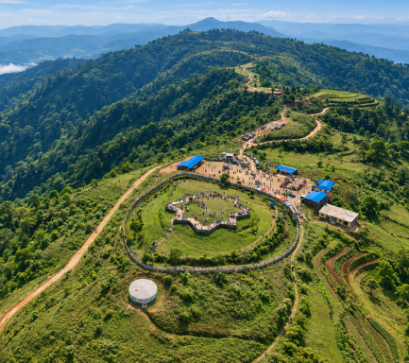
The lake becomes especially significant during the Birijaat Mela, a traditional pilgrimage associated with Janai Purnima in July or August. Pilgrims from Bajhang and neighbouring Darchula travel through difficult mountain terrain, with some completing the journey barefoot as an expression of devotion. Traditional hymns, prayers, and religious rituals form an important part of the pilgrimage.
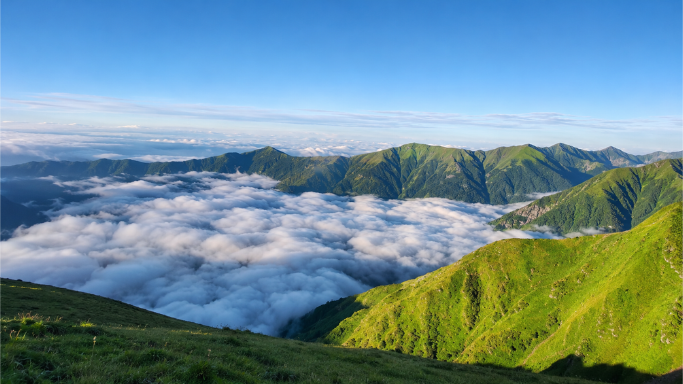
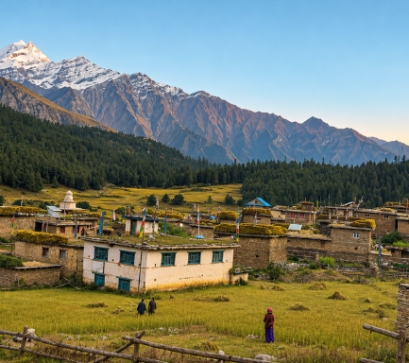
Reaching Surma Sarovar requires a demanding trek through some of Nepal’s remote mountain landscapes. A traditional route begins at Chainpur, Bajhang’s district headquarters, and takes approximately four days on foot.
Trekkers cross the Chande Shikhar Nagna Pass at around 4,859 metres before reaching the lake. Along the journey, alpine grasslands, rocky slopes, seasonal wildflowers, and views of surrounding Himalayan peaks create an extraordinary natural setting.
Beyond its religious importance, Surma Sarovar highlights the vulnerability of high-altitude ecosystems. In January 2021, the lake reportedly dried up completely, exposing its cracked bed and raising concerns among local communities.
Water-resource experts suggested several possible explanations, including evaporation, changing water sources, and geological disturbances. However, the exact cause was not established.
The summer months, particularly July and August, coincide with the traditional pilgrimage season. However, monsoon rainfall, difficult trails, and high altitude make careful preparation essential.
Visitors should arrange experienced local guides, appropriate camping equipment, and sufficient time for acclimatisation. Trekking conditions and the lake’s current water level should be confirmed locally before departure.
Surma Sarovar represents something increasingly rare: a Himalayan destination where religious devotion, living cultural traditions, and remote mountain landscapes remain closely connected.