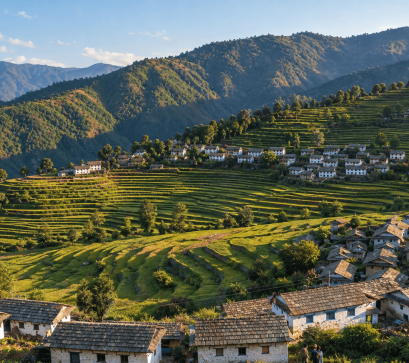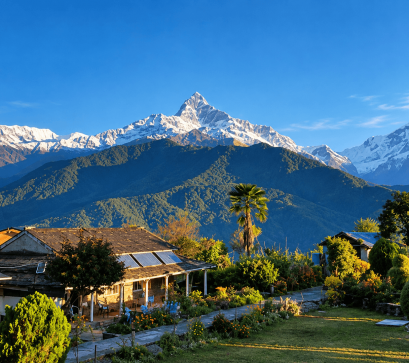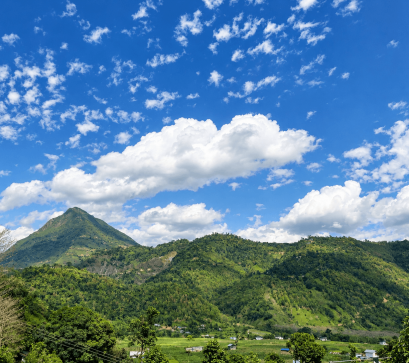
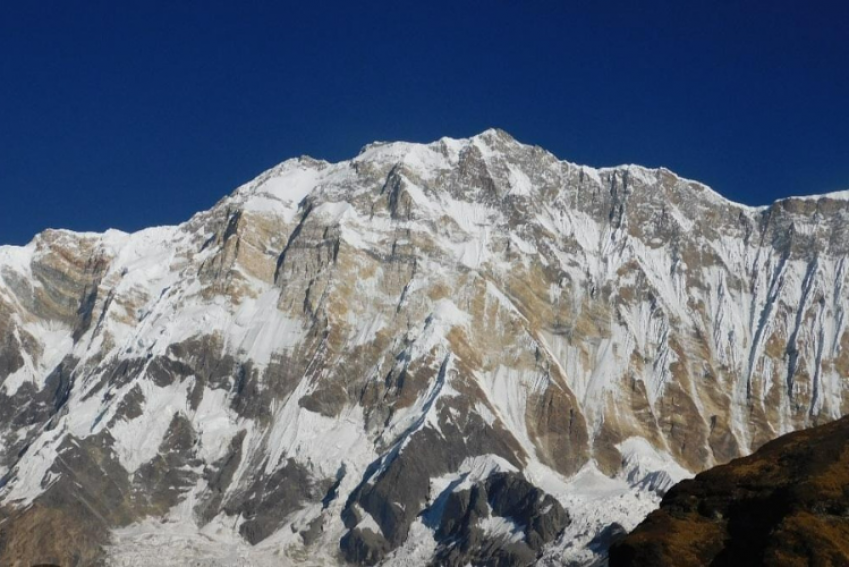
Rising to 8,091 metres (26,545 feet), Mount Annapurna I is the tenth-highest mountain in the world, located in north-central Nepal within the vast Annapurna Massif of the Himalaya. Stretching east–west between the Kali Gandaki and Marsyangdi river valleys, the massif forms one of Nepal’s most dramatic alpine landscapes, characterised by steep ridgelines, glaciated faces and deep-cut gorges. Despite being lower in altitude than Everest or K2, Annapurna I has earned a far more ominous reputation. Known widely among mountaineers as “The Killer Mountain”, it is statistically the deadliest of all 8,000-metre peaks: a title forged through decades of avalanches, unpredictable weather and perilous climbing conditions.

1. Nepal’s Most Dangerous 8,000-Metre Peak
Annapurna I (8,091 m) sits majestically in the central Himalaya of Nepal but behind its impressive posture lies a sobering truth; it has been statistically more lethal than nearly all other mountains over 8,000 metres. Historically, the fatality-to-summit ratio on Annapurna was around 30-32 per cent, meaning for every three climbers who reached the summit, one did not return alive.
This is a stark contrast to Mount Everest’s current fatality rate of roughly 4 per cent, even though Everest is higher and far more frequented.
It is precisely these grim numbers that cemented Annapurna’s grim moniker among mountaineers: the “Killer Mountain”.
2. Fatalities: More Than a Statistic
Beyond percentages, the human stories behind the numbers are sobering. Since its first successful ascent in 1950 by Maurice Herzog and Louis Lachenal, Annapurna has claimed scores of experienced climbers. Dangers such as avalanches, falls, altitude sickness and extreme cold have repeatedly turned ambitious climbs into tragedies.

3. The Avalanche Danger
Avalanches are the single greatest natural hazard on Annapurna. The mountain’s slopes are prone to sudden snow-slab releases and ice falls, especially on the south face, which rises over 3,000 metres of steep, avalanche-exposed terrain.
Unlike some other Himalayan giants where some routes can avoid the worst objective hazards, many standard Annapurna lines traverse inherently unstable snowfields and serac zones, leaving climbers exposed to massive avalanche risk for prolonged periods.
4. Unpredictable Weather and Limited Rescue Options
The weather in the Annapurna region is notoriously volatile. Sudden storms can blast the mountain with high winds and white-out conditions, creating extremely dangerous situations in the so-called Death Zone above 8,000 metres.
Compounding this danger is the remoteness and lack of rescue infrastructure. Unlike Everest’s well-established rope lines, fixed camps and robust helicopter-support system below 7,000 m, Annapurna’s terrain limits rescue options making self-rescue the only option in many life-and-death scenarios.

5. Technical Difficulty and Steep Terrain
Though lower in altitude than Everest and some other peaks, Annapurna’s routes are technically demanding. Steep ridges and exposed ice faces require advanced climbing skills and unerring judgement under extreme fatigue at high altitude.
In particular, the south face of Annapurna I is recognised as one of the most difficult climbs in the world, demanding sustained technical proficiency even from elite alpinists.
6. Changing Reputation Vs. Historic Legacy
Modern improvements in climbing gear, weather forecasting and expedition logistics have contributed to a decline in the broad fatality rates on Annapurna in recent years. Some contemporary analyses suggest that its death-to-summit ratio now falls closer to that of other hazardous peaks like K2.
Nevertheless, the mountain’s historic legacy where a significant portion of climbers perished, continues to fuel the “Killer Mountain” reputation. It remains a mountain that commands deep respect, meticulous preparation and acceptance of inherent risk.
Mount Annapurna’s reputation as “The Killer Mountain” is rooted not in myth but in harsh statistical reality and decades of tragic mountaineering history. While advances in climbing technology and better forecasting offer safer conditions today, Annapurna remains one of the most formidable challenges in high-altitude mountaineering: a peak where beauty and peril coexist above the clouds.

PC: Wikimedia Commons, Flickr
Also Read