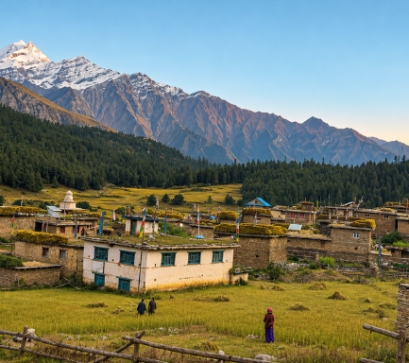
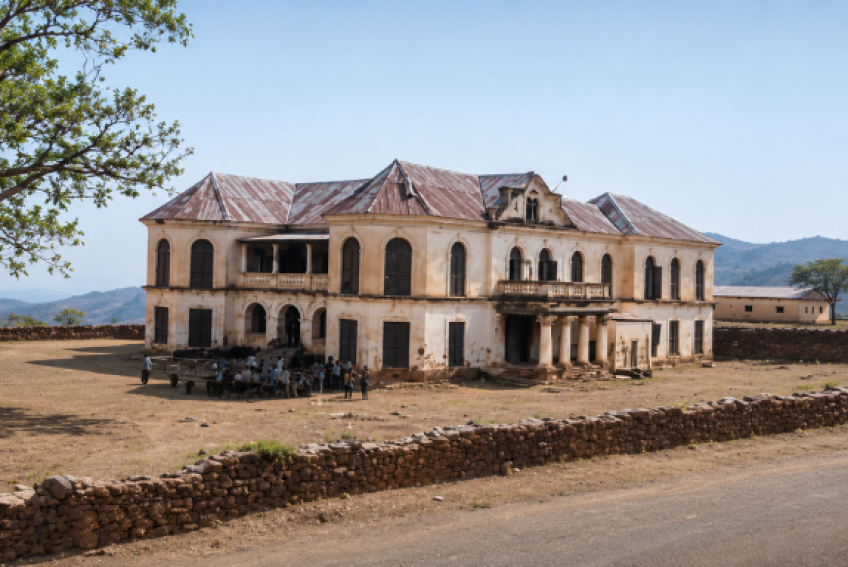
In Phalawang, a hillside settlement in Salyan district of Nepal's Karnali Province, a remarkable royal palace once stood as a symbol of regional power. Known as Putali Durbar, or the Butterfly Palace, the building served the former Salyan royal family before decades of neglect and destruction reduced it to ruins.
Located in Phalawang, Triveni Rural Municipality–4, Putali Durbar was associated with the royal rulers of Salyan and their administration of the surrounding region.
The palace was constructed during the early 20th century, although historical accounts differ on its exact construction dates and the ruler responsible. Reports published by Kantipur attribute its construction to Shamsher Bahadur Shah, a member of the Salyan royal family.
Phalawang served as a seasonal royal residence. Historical accounts describe the rulers spending warmer months in Salyan's hills and colder months in Dang's Tulsipur area. This arrangement reflected the political and geographical connections between the two regions.
Putali Durbar was celebrated for its British-influenced architectural design, decorative wooden windows and spacious interior.
Several historical reports describe a palace containing 55 rooms, including formal reception chambers, administrative meeting spaces and prayer rooms. Its distinctive craftsmanship reflected the architectural preferences of Nepal's regional rulers during the period.
The palace's royal associations also connected Phalawang with the wider history of Salyan's former principalities and their changing political relationships with Nepal's central government.
The palace's deterioration accelerated during Nepal's Maoist insurgency between 1996 and 2006.
According to Kantipur's 2022 reporting, the building suffered extensive damage, while carved wooden doors, windows, bricks and other historical materials disappeared.
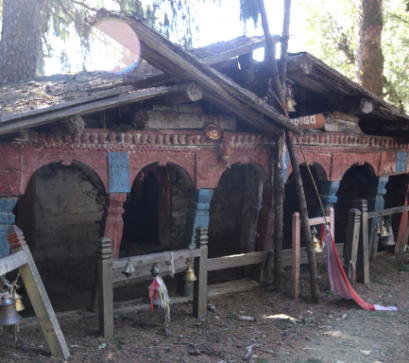
By March 2022, the main palace had collapsed. Only portions of the former palace grounds and a deteriorating ancillary building were reported to remain.
Local residents repeatedly called for reconstruction. However, disputed ownership arrangements involving privately registered land complicated government efforts to allocate reconstruction funding.
Although the original building has disappeared, Putali Durbar remains part of Salyan's historical identity.
Its story illustrates how the loss of a single building can erase valuable evidence of regional architecture, craftsmanship and political history.
For Phalawang, preserving the surviving site, photographs and historical records could help future generations understand a royal heritage that can no longer be experienced through the original palace.