Hidden among the quiet forests of Kapilvastu, Sagarahawa stands as a reminder of one of the darkest chapters in Buddhist tradition. Located approximately 12 kilometres north of Taulihawa, this ancient archaeological site is associated with the massacre of the Shakya clan, the community into which Lord Buddha was born. Surrounded by greenery, a historic pond and centuries-old ruins, Sagarahawa preserves a story of tragedy, remembrance and Buddhist heritage.
According to Buddhist tradition, King Virudhaka, also known as Vidudabha, of the Kosala kingdom launched an attack against the Shakya clan following a dispute over his maternal ancestry. The conflict reportedly resulted in the deaths of thousands of Shakyas during the final years of Buddha's lifetime.
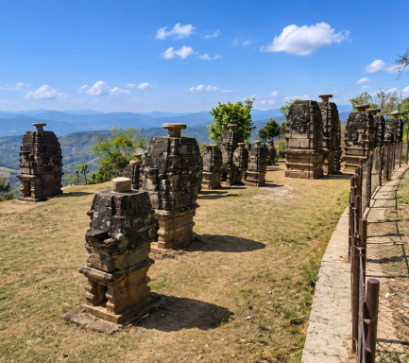
The tragedy became an enduring part of Buddhist history. It is believed that descendants of the Shakyas constructed hundreds of memorial stupas to honour those who lost their lives.
The seventh-century Chinese Buddhist pilgrim Xuanzang, also known as Hiuen Tsang, described numerous stupas associated with the massacre during his travels through the region. Although the event remains significant in Buddhist tradition, its precise historical details have not been conclusively established through archaeology.
Sagarahawa gained archaeological attention in 1897 when Alois Anton Führer conducted excavations around the site. His investigations reportedly uncovered 17 brick stupas and other ancient remains near the pond.
Archaeologist Purna Chandra Mukherji later reassessed the findings, documenting evidence of a large monumental structure.
More recently, geophysical surveys supported by UNESCO have identified additional buried archaeological remains, suggesting that the site contains further evidence of its ancient past.
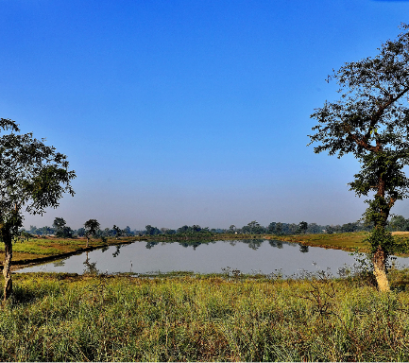
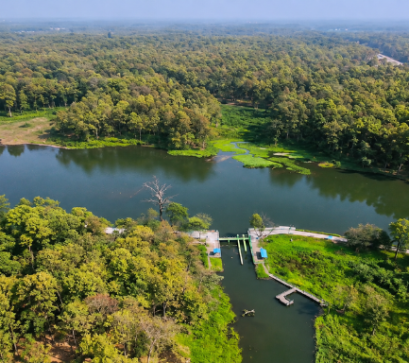
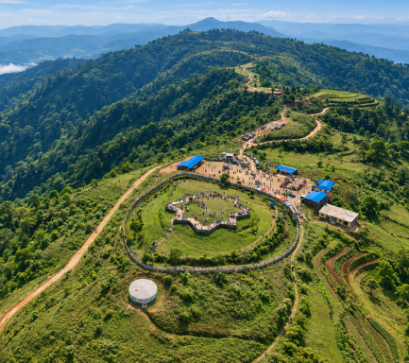
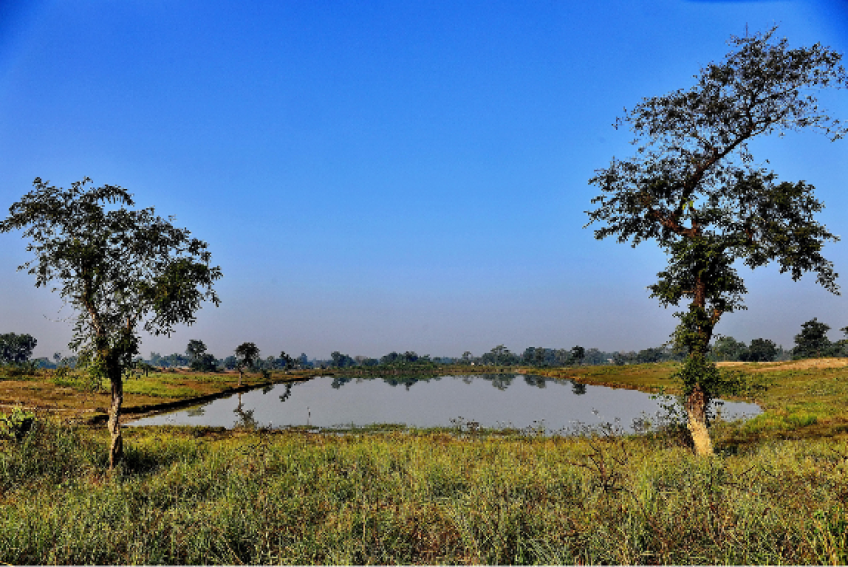
At the heart of Sagarahawa lies Lumbu Sagar, a large artificial pond surrounded by ancient ruins and vegetation. Historical descriptions record the pond as approximately 1,059 feet long and 225 feet wide.
The remains of stupas and other structures are concentrated along its western and southern banks. Together, the pond and ruins create a landscape where Buddhist traditions and archaeological discoveries intersect.
Situated within Nepal's Greater Lumbini heritage region, Sagarahawa offers visitors a quieter perspective on the country's Buddhist past. Travellers can explore the site alongside nearby historical destinations such as Tilaurakot, Niglihawa and Araurakot.
While Lumbini celebrates the birth of Buddha, Sagarahawa preserves the memory of the clan from which he emerged. Its archaeological remains and enduring traditions make it an important destination for understanding the broader history of Buddhism in Nepal.