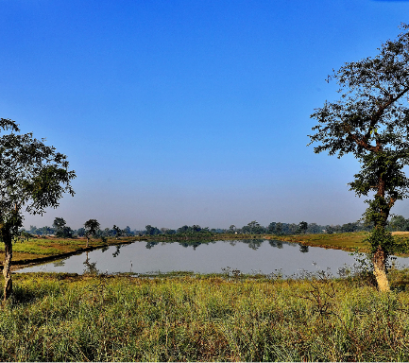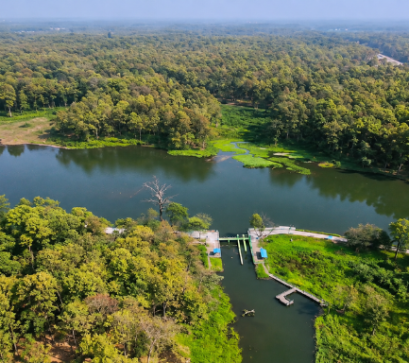
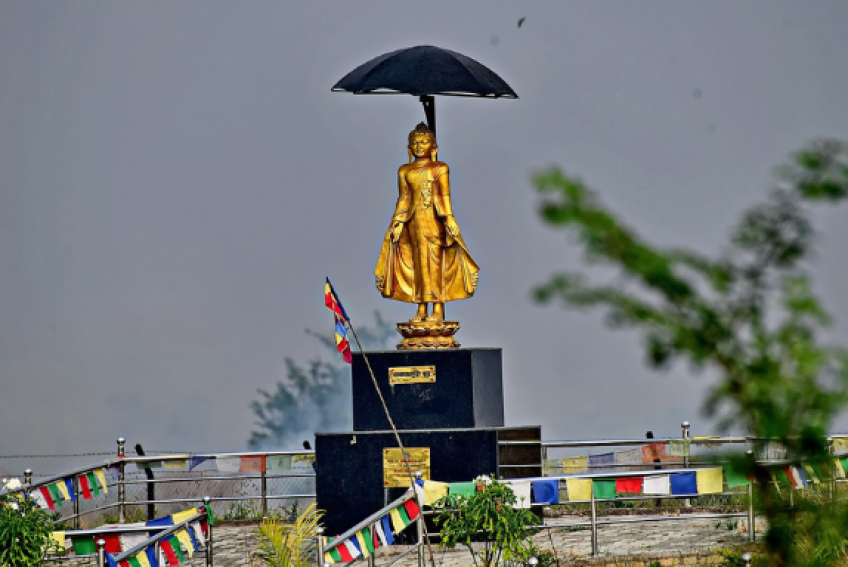
Hidden among the agricultural landscapes of Nepal’s Kapilvastu District, Araurakot is an ancient fortified settlement associated with Kanakamuni Buddha, one of the Buddhas who preceded Gautama Buddha in Buddhist tradition. Unlike the better-known heritage sites of Lumbini and Tilaurakot, Araurakot remains relatively unexplored, preserving traces of a historic settlement beneath its earthen ramparts.
Located approximately 10 kilometres northeast of Taulihawa and 1.4 kilometres east of Niglihawa, this archaeological site offers an intriguing glimpse into Nepal’s ancient Buddhist heritage.
According to Buddhist tradition, Araurakot is identified as the hometown of Kanakamuni Buddha, where he is believed to have grown up and spent his married life.
Nearby Niglihawa is traditionally recognised as his birthplace. It contains a broken Ashokan pillar bearing an ancient inscription recording Emperor Ashoka’s reverence for Kanakamuni Buddha. The pillar provides important historical evidence of Buddhist pilgrimage in the region, although Araurakot’s identification with Kanakamuni’s life remains traditional rather than archaeologically proven.
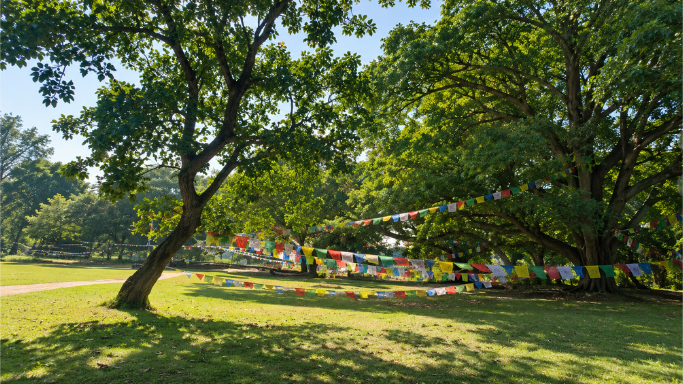
Araurakot is distinguished by its rectangular fortified enclosure, measuring approximately 270 by 270 metres, according to a Government of Nepal heritage assessment available through UNESCO.
The site contains clay ramparts, brick fortifications, bastions and traces of ancient moats. Its defensive layout has led researchers to suggest possible connections with the Kushan period, between the first and third centuries CE. However, its precise historical function requires further investigation.
A joint Nepalese-Italian archaeological survey conducted in 1996–1997 identified nine archaeological sites across the surrounding area.
In 2015, a UNESCO-led geophysical survey involving the Lumbini Development Trust, Nepal’s Department of Archaeology and Durham University identified buried structural remains within the fortified settlement.
These investigations have strengthened Araurakot’s archaeological importance, although much of the site still requires systematic excavation and research.
Araurakot offers travellers an opportunity to explore a lesser-known chapter of Nepal’s Buddhist history. Visitors can observe surviving earthworks and moat formations while discovering the historical landscape surrounding Niglihawa and Tilaurakot.
Unlike extensively developed tourist destinations, Araurakot’s appeal lies in its quiet surroundings, ancient fortifications and archaeological significance.
For history enthusiasts, Buddhist pilgrims and cultural travellers, Araurakot represents an important reminder that Nepal’s heritage extends far beyond its most celebrated monuments.
As archaeological research continues, this largely overlooked fortified settlement remains a valuable part of the Greater Lumbini region’s cultural and historical landscape.