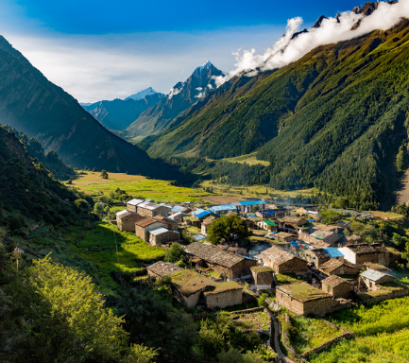
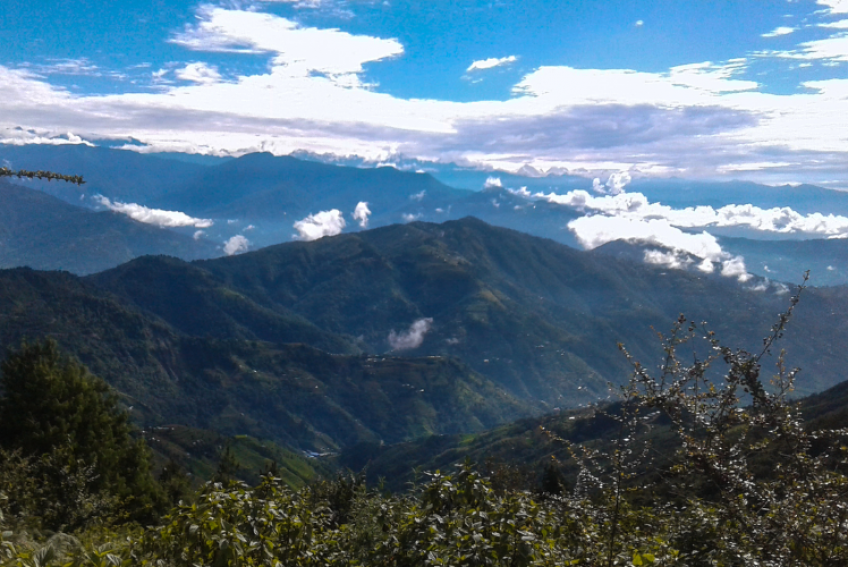
Ask anyone in Kathmandu when to hike, and July will be near the bottom of the list. Monsoon means mud, leeches, and clouds – or so the assumption goes. But spend a July morning on the trails of Shivapuri National Park, just north of the city, and you'll see why that advice deserves a second look.
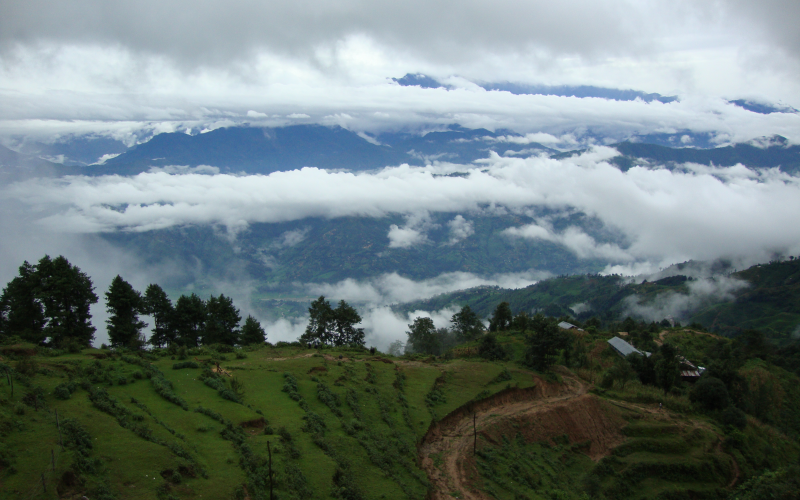
Nepal's monsoon (roughly June to September) does bring rain – but it isn't constant. Most days follow a pattern: clear or lightly overcast mornings, then rain building in the afternoon. A Shivapuri walk timed for early morning gets you hours of dry, cool trekking before the sky changes. Compare that to the pre-monsoon haze of April and May, when dust and smog from the valley often blur every viewpoint – July air, freshly rinsed by rain, is some of the clearest of the year.
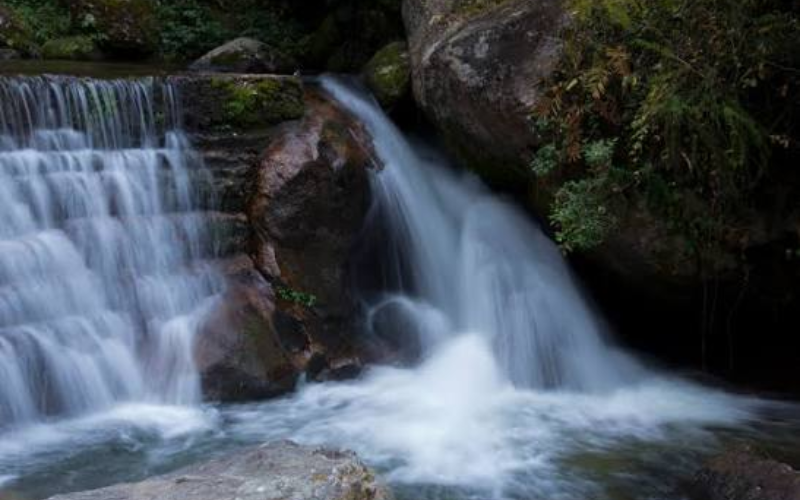
Shivapuri Nagarjun National Park sits at the northern edge of the Kathmandu Valley, rising to over 2,700 meters at Shivapuri Peak. In July:
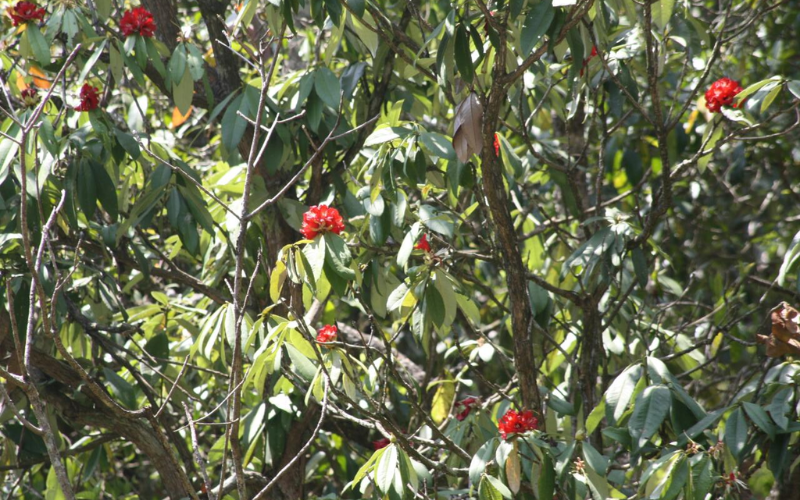
Start early. Aim to be on the trail by 6-7 a.m. to make the most of clear morning hours and finish before afternoon rain typically builds.
Footwear matters more than usual. Trail shoes or boots with real grip are worth it – packed earth turns slick fast. Gaiters help against both mud and the occasional leech.
Pack light rain protection. A poncho or rain jacket and a dry bag for your phone and camera cover most scenarios; monsoon showers in the hills tend to be short rather than day-long.
Check the entry and permit details. Shivapuri Nagarjun National Park charges an entry fee at the gate (rates differ for Nepali citizens, SAARC nationals, and other foreign visitors), and the park has set opening hours, so plan your start time around that.
Watch footing on descents. The route down from Shivapuri Peak has sections that get genuinely slippery after rain – trekking poles are a good idea if you have them.
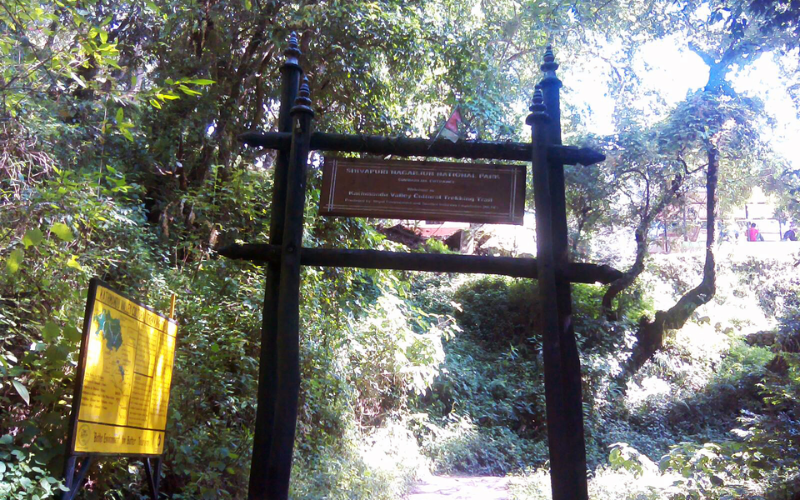
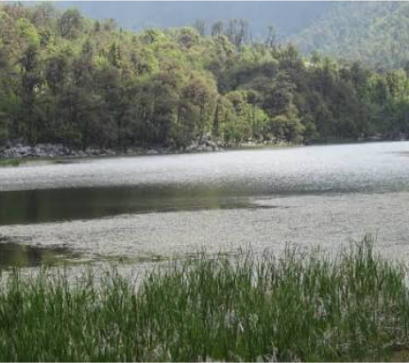
Most people hike Shivapuri for the same reason they hike anywhere near a big city: a break from noise and concrete. Monsoon delivers that better than any other season here – mist threading through the canopy, the sound of running water instead of tour groups, and a version of the forest that only exists for a few months. The "wrong season" reputation is really just an untested assumption.
If you've done Shivapuri in the clear, crowded months already, July is the version of the trail you haven't seen yet.