In the eastern plains of Nepal, where rivers shape landscapes and traditions, flows a sacred waterway that holds a special place in people's hearts. Known as Kankai Mai, the Kankai River is more than a natural wonder. It is worshipped as a mother goddess, celebrated through centuries-old traditions and cherished for the life it brings to the surrounding communities.
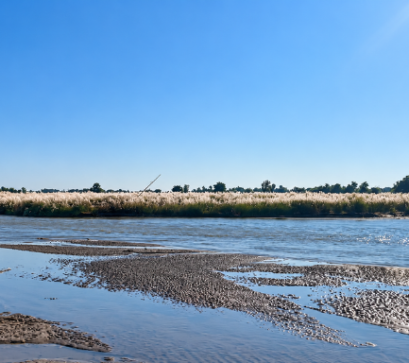
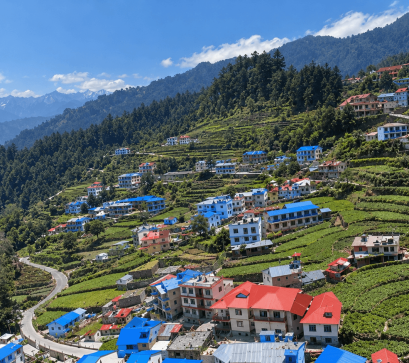
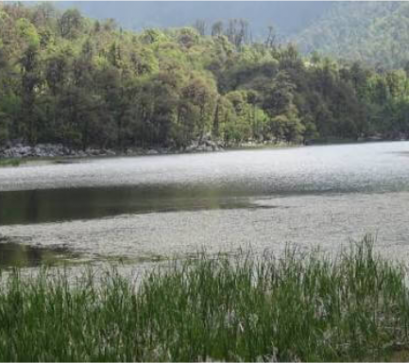
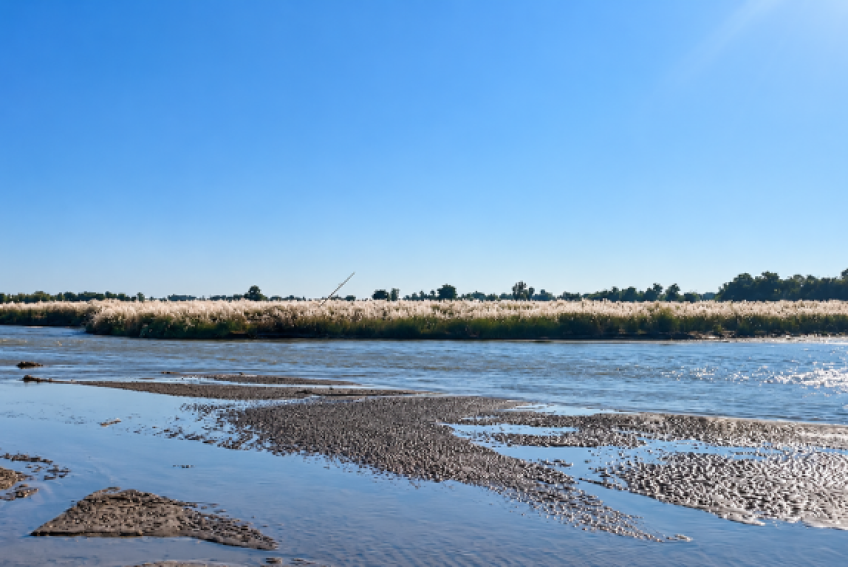
Originating in the Mahabharat hills of Ilam, the Kankai River begins its journey through lush forests, terraced farmlands and beautiful valleys before reaching the fertile plains of Jhapa in Koshi Province. Fed by tributaries including Mai Khola, Deu Mai and Puwa Khola, the river eventually crosses into Bihar, India, where it joins the Mahananda River. Along its journey, the landscape transforms from narrow, forested valleys into wide stretches of sand, gravel and flowing water.
What makes Kankai particularly fascinating is the story behind its name. According to local legend, the name comes from the Sanskrit word Kanaka, meaning gold. It is believed that a saint once discovered golden stones along the river, inspiring its association with the goddess Kanakawati Mai, or the Goddess of Gold. Although rooted in folklore, this story reflects the deep spiritual connection between the river and its people.
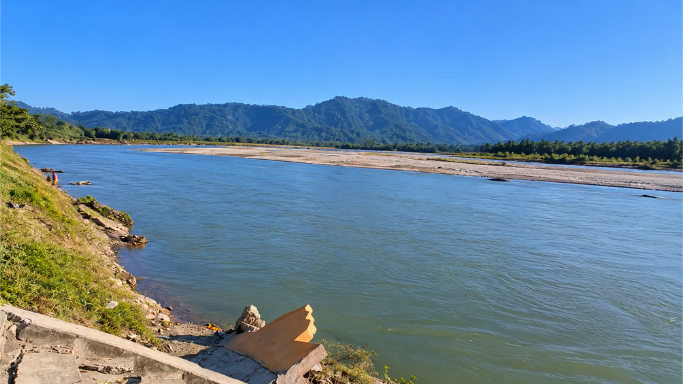
Every year, during Maghe Sankranti in mid-January, the riverbanks come alive with devotion and celebration. Thousands of pilgrims from Nepal and neighbouring India gather for the famous Kankai Mela, also known as Mai Mela.
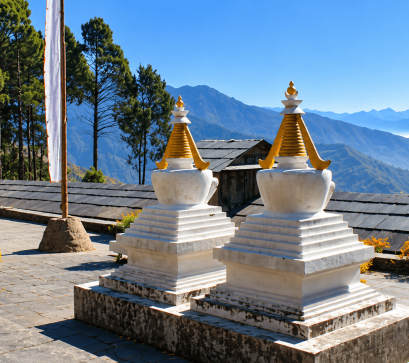
Devotees take holy baths, offer prayers and seek blessings for prosperity and well-being. The nearby Kankai Dham, popularly known as Kotihom Dham in Jhapa, further strengthens the area's religious importance with its temples, ashrams and spiritual gatherings.
Beyond its sacred identity, Kankai offers remarkable natural beauty. Domukha, where the river emerges from the hills into the Terai, is a popular destination for picnics, peaceful riverside outings and photography. Its forested surroundings, open riverbanks and refreshing atmosphere make it an inviting escape for nature lovers, particularly during the cooler months.
The river also plays an essential role in everyday life. Through the Kankai Irrigation Project, its waters support thousands of hectares of agricultural land in Jhapa, helping sustain farming communities and local livelihoods. Its basin also provides habitats for freshwater fish and other aquatic species, highlighting its ecological importance.
October to March is generally the best time to explore the river, while Maghe Sankranti offers an opportunity to experience its vibrant religious traditions. Visitors should remain cautious around the water, particularly during the monsoon when currents become dangerous.
Kankai Mai is not simply a river flowing through eastern Nepal. It is a living connection between nature, faith and generations of tradition, where every flowing current carries a story of devotion and life.