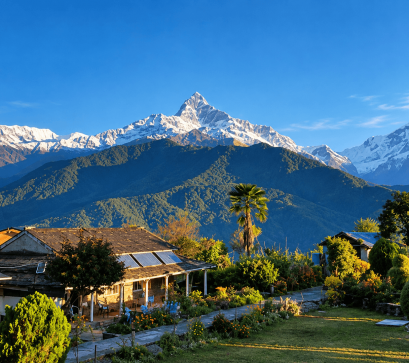
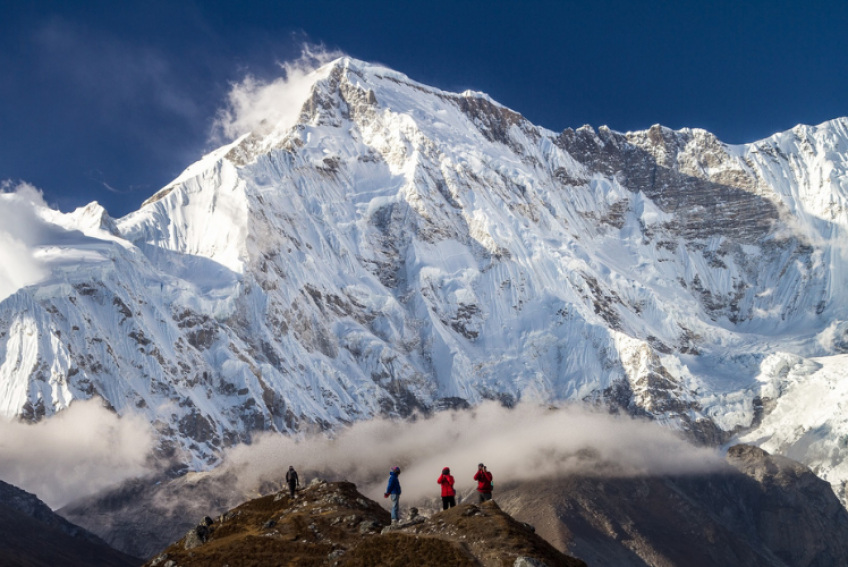
Rising majestically on the Nepal-Tibet border, Mt. Cho Oyu stands at 8,201 metres, making it the world’s sixth-highest peak. Part of the Mahalangur Himal subrange, Cho Oyu lies just west of the iconic Mt. Everest. Renowned for its relatively accessible climbing routes, gentle slopes, and spectacular panoramic vistas, it appeals to both mountaineers and trekking enthusiasts.
Trekking and Base Camp Experience
While summiting Cho Oyu requires advanced mountaineering expertise, trekkers can experience its grandeur through the Cho Oyu Base Camp trek. The most common route to the base camp (Base Camp 5,600 m, Advanced Base Camp 5,700 m) is via Tibet (often through Nyalam or Tingri).
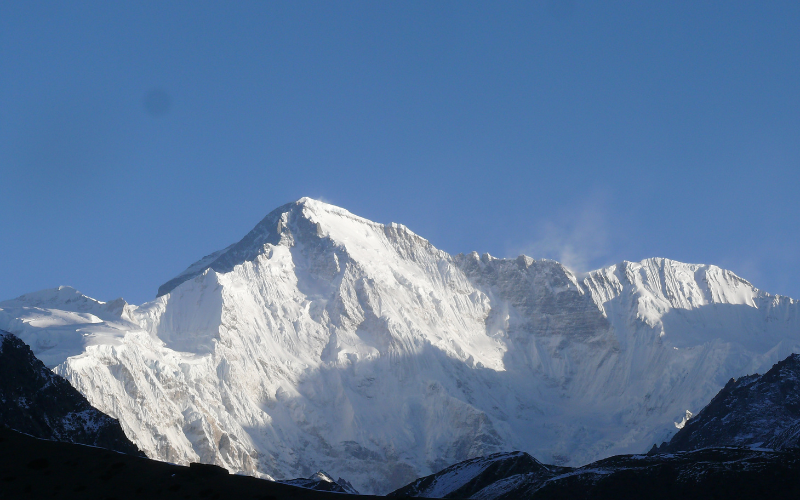
On the Nepali side, trekking routes such as Gokyo provide breathtaking views of Cho Oyu, though direct access to the main climbing base camp is limited. The base camp itself offers a striking vantage point of Cho Oyu’s icy slopes and neighbouring peaks like Everest, Lhotse, and Nuptse. Compared to the Everest Base Camp trek, this route is less crowded, offering a more tranquil and reflective Himalayan experience.
Adventure, Culture, and Nature
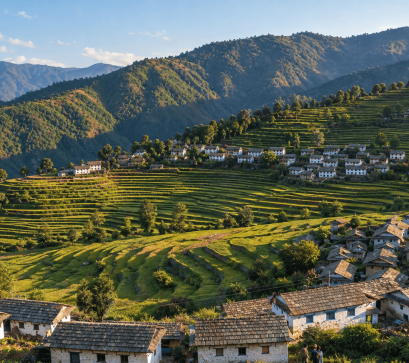
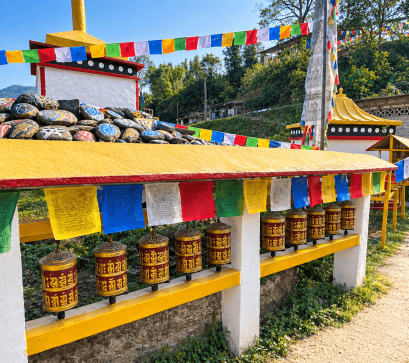
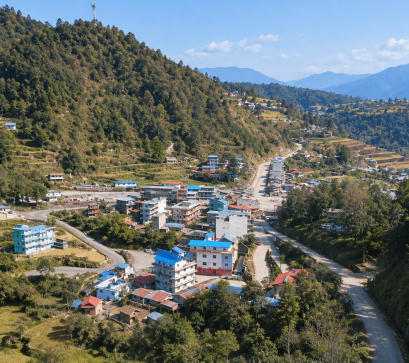
Cho Oyu is not only about towering summits. The region is rich in Sherpa culture, with monasteries, mani walls, and traditional villages scattered along trekking paths. Seasonal rhododendron blooms and alpine flora add vibrant colour, while Himalayan wildlife such as snow leopards, Himalayan tahr, and blue sheep can occasionally be spotted.
For adventure travellers, the combination of high-altitude trekking, pristine landscapes, and the opportunity to witness one of the world’s tallest peaks makes Cho Oyu a rewarding destination. Even those not attempting the summit can enjoy breathtaking vistas, challenging trails, and the serene Himalayan environment that define this region.
Travel Tips for Cho Oyu
• Best Season: Late September to early November or March to May for stable weather and clear skies.
• Permits: Trekking and climbing permits required depending on the chosen route.
• Altitude Preparation: Gradual ascent and rest days are essential for acclimatisation.
• Local Guides: Experienced guides are recommended for safety and cultural insights.
• Packing Essentials: Warm layers, sturdy boots, trekking poles, and high-altitude gear are necessary.
Mt. Cho Oyu offers travellers a rare opportunity to experience the grandeur of the Himalayas without the extreme technical challenges of Everest. Its gentle slopes, panoramic vistas, and rich cultural backdrop blend adventure, natural beauty, and Himalayan heritage, making it an unforgettable high-altitude journey.
Suggested Itinerary (Asian Hiking Team)
- Day 1: Arrival in Kathmandu (1,350 m)
- Day 2-3: Preparation days in Kathmandu
- Day 4: Drive Kathmandu to Kerung Border (2,800 m)
- Day 5: Drive Kerung to Tingri (4,300 m) or Lhatse (4,350 m)
- Day 6: Rest and acclimatisation day
- Day 7: Drive to Chinese Base Camp (5,000 m)
- Day 8: Rest and final preparations at Chinese Base Camp
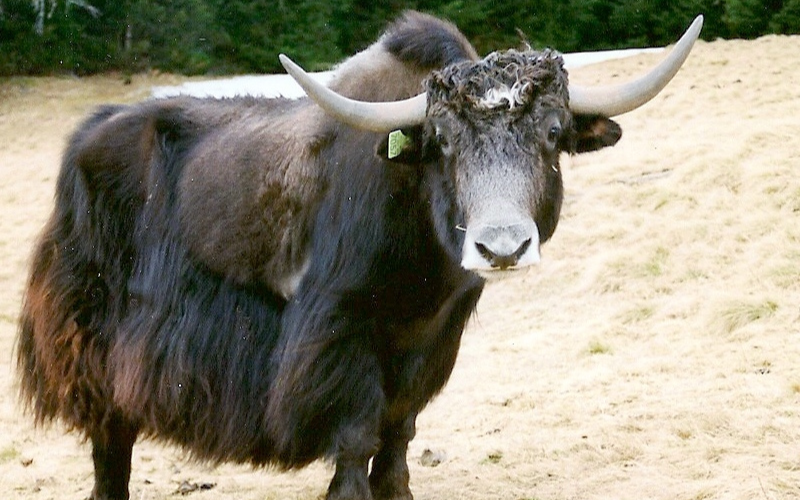
- Day 9: Load ferry preparation with yaks
- Day 10: Trek from Chinese Base Camp to Middle Camp
- Day 11: Trek from Middle Camp to Cho Oyu Advanced Base Camp (5,700 m)
- Day 12-34: Climbing period for Mt. Cho Oyu (8,201 m)
- Day 35: Descend from Advanced Base Camp to Chinese Base Camp
- Day 36: Drive from Chinese Base Camp to Tingri/Zhangmu
- Day 37: Drive Zhangmu to Kathmandu
- Day 38-39: Rest and contingency days in Kathmandu
- Day 40: Final departure from Kathmandu
PC: Wikimedia Commons
Also Read