In Nepal, the monsoon is not merely a season, it is a transformation. From June to September, rain reshapes the country’s landscapes and rhythms. Hills awaken in shades of emerald, rivers swell with force, and the air carries a quiet clarity often absent in peak travel months.
For the discerning traveller, this is not a time to retreat indoors, but an invitation to travel differently and seeking destinations that complement the rain rather than resist it. Whether it is mist-covered hill towns, rain-shadow deserts, or spiritual enclaves, Nepal offers a layered monsoon experience that rewards patience and curiosity.
Kathmandu Valley: Heritage in a Softer Light
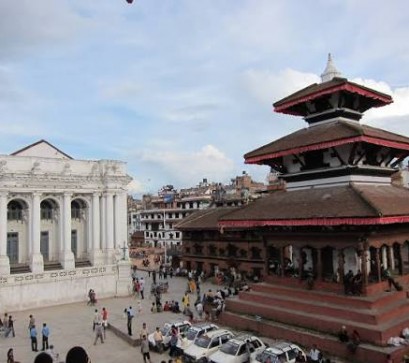
The historic cities of the Kathmandu Valley: Kathmandu, Patan, and Bhaktapur take on a contemplative character during the rains.
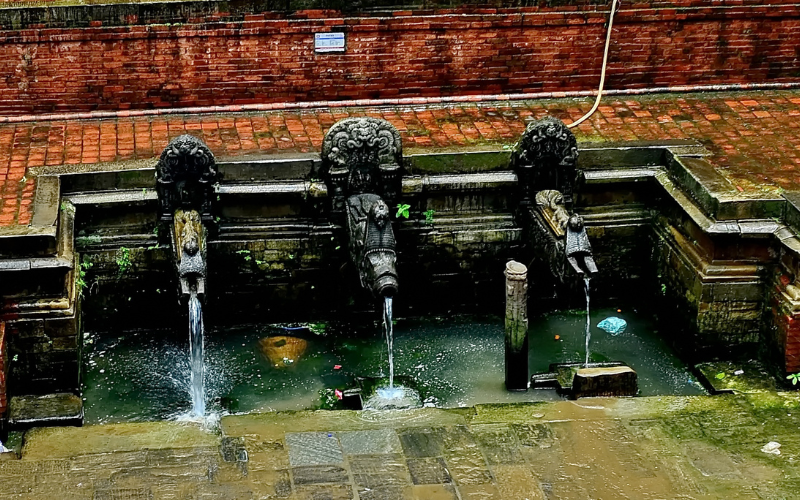
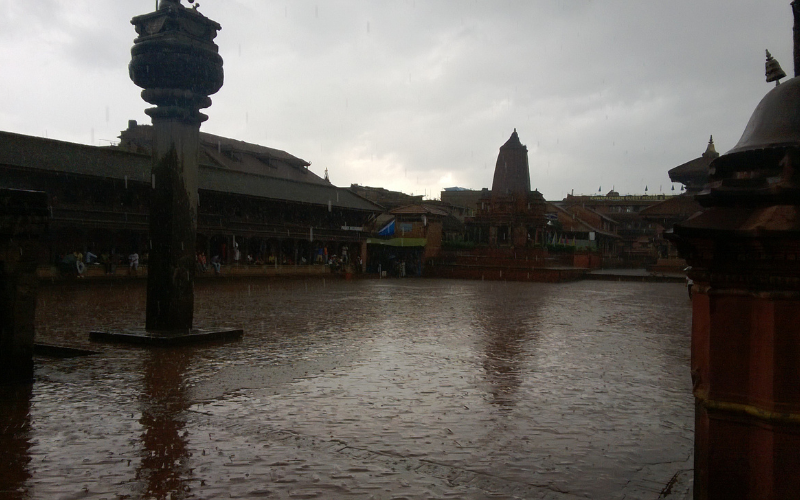
In Patan Durbar Square, rainwater gathers in ancient courtyards, reflecting intricately carved temples. Bhaktapur Durbar Square feels almost suspended in time as fewer visitors wander its brick-paved lanes. At Boudhanath Stupa, the steady rhythm of prayer wheels blends with rainfall, creating a deeply meditative ambience.
Monsoon here invites slower exploration: museum visits, monastery pauses, and hours spent watching the city breathe under grey skies.
Key experiences: Heritage walks, cafe culture, photography, spiritual observation
Best for: Cultural travellers, writers, urban explorers
Nagarkot & Dhulikhel: Hilltop Retreats Above the Clouds
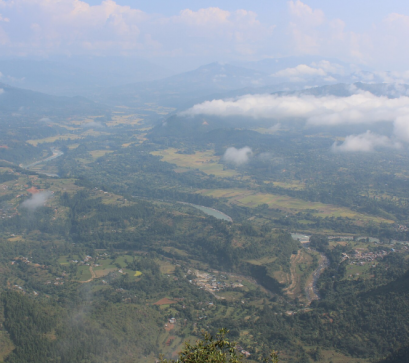
Just beyond the valley, the hill stations of Nagarkot and Dhulikhel offer elevated escapes where clouds drift at eye level.
While Himalayan views may be intermittent, the drama of moving mist and layered hills creates a different kind of spectacle. Resorts here are designed for stillness with wide windows, warm interiors, and panoramic terraces that invite you to pause.
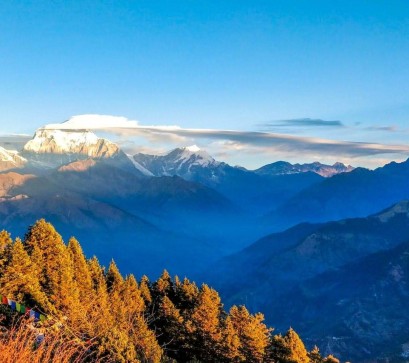
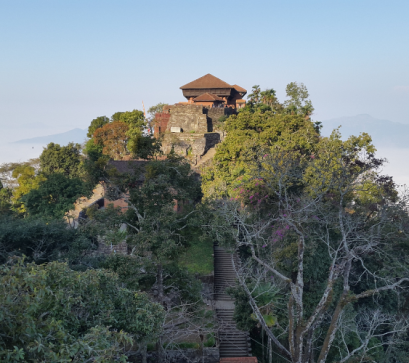
In Dhulikhel, quiet trails and heritage lanes wind gently towards monasteries and panoramic viewpoints, inviting slow, reflective exploration. Meanwhile, Nagarkot rewards patience on rare, clear mornings, the clouds part just enough to reveal a luminous sunrise, breaking through the monsoon veil with striking clarity.
Key experiences: Wellness retreats, yoga, slow mornings, scenic solitude
Best for: Couples, creatives, weekend retreats
Pokhara: Rain, Reflection, and Lakeside Calm
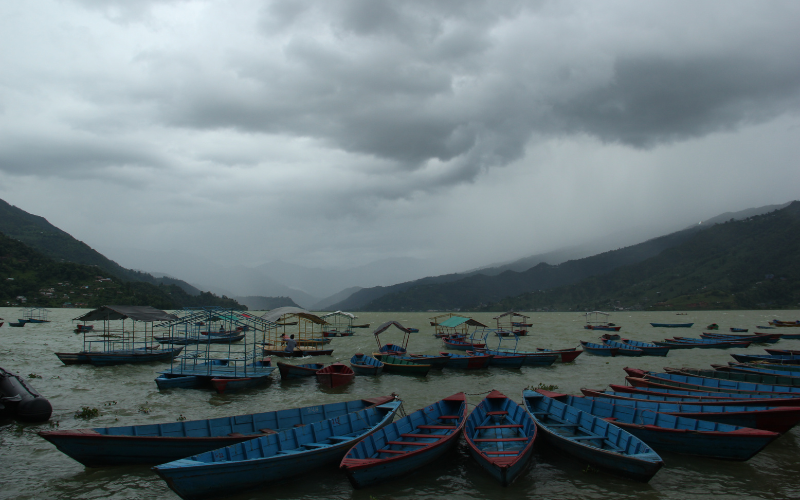
Pokhara is perhaps the most evocative monsoon destination in Nepal. The city’s relationship with water deepens as rain blurs the boundary between lake and sky.
At Phewa Lake, reflections shift constantly with the weather, while Devi's Fall roars with renewed intensity. Lakeside cafes become sanctuaries where travellers watch clouds roll in and out of the Annapurna range.
The retreat here is sensory and introspective; perfect for reading, writing, or simply observing.
Key experiences: Boating (weather permitting), cafe retreats, waterfall visits
Best for: Solo travellers, couples, artists
Bandipur: A Timeless Hill Town
Perched between Kathmandu and Pokhara, Bandipur offers a retreat into Nepal’s preserved past.
Its traffic-free streets, lined with traditional Newari architecture, feel especially atmospheric in the rain. Mist rolls through the town, revealing and concealing mountain views in slow motion. With fewer visitors during monsoon, Bandipur becomes an ideal place to disconnect.
Key experiences: Heritage walks, local homestays, quiet viewpoints
Best for: Slow travellers, heritage enthusiasts
Mustang: Into the Rain Shadow
Beyond the Himalaya lies Upper Mustang, a region untouched by the monsoon due to its position in the rain shadow.
Here, landscapes shift dramatically: arid cliffs, wind-carved canyons, and ancient settlements such as Lo Manthang. Skies remain relatively clear, making it one of the best trekking destinations during the rainy season.
Mustang offers not just geographical contrast, but cultural depth, with strong Tibetan influences shaping daily life.
Key experiences: Trekking, cave exploration, cultural immersion
Best for: Adventure travellers, photographers, offbeat explorers
Dolpo: Remote and Untouched
Even more remote, Dolpo remains one of Nepal’s least explored regions. Like Mustang, it lies in the rain shadow, offering dry trekking conditions during monsoon.
The jewel of the region, Phoksundo Lake, glows in surreal shades of blue, surrounded by stark mountain scenery. Monasteries such as Shey Gompa add a spiritual dimension to the journey.
Key experiences: Remote trekking, high-altitude culture, wilderness solitude
Best for: Experienced trekkers, explorers seeking isolation
Chitwan: The Jungle at Its Most Alive
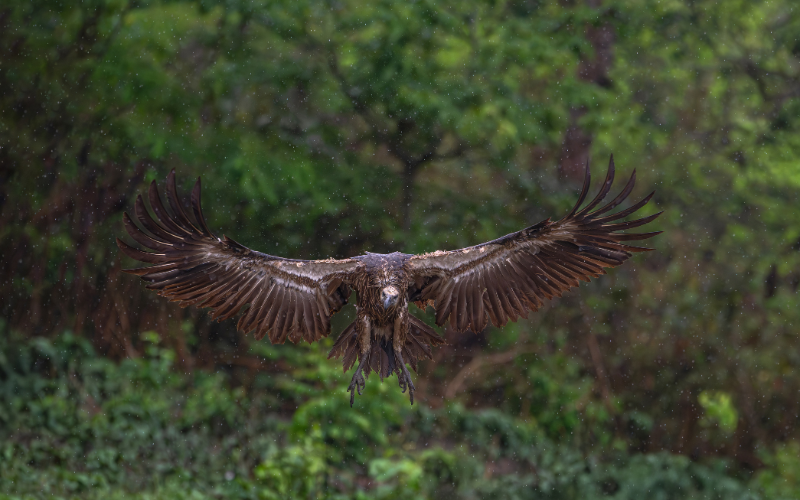
In the lowlands of Chitwan, the monsoon breathes life into the jungle. Chitwan National Park becomes intensely green, with thriving ecosystems and abundant birdlife.
While heavy rains can limit some activities, the experience is raw and immersive; jungle sounds amplified, landscapes saturated with life.
Key experiences: Birdwatching, cultural visits, riverside retreats
Best for: Nature lovers, eco-tourists
Lumbini: A Sacred Stillness
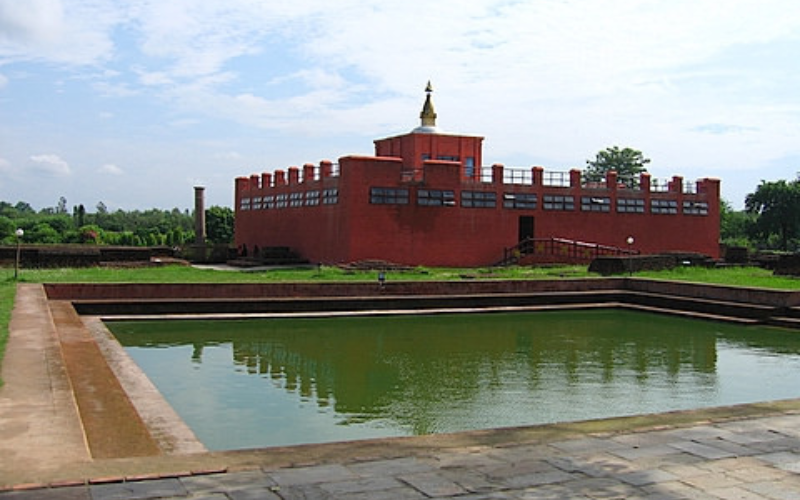
In Lumbini, the birthplace of Gautam Buddha, rain enhances the sense of tranquillity.
The Maya Devi Temple and surrounding monastic zones become quieter, allowing for uninterrupted reflection. Monsoon here is less about sightseeing and more about presence.
Key experiences: Meditation, monastery visits, spiritual retreats
Best for: Mindfulness seekers, spiritual travellers
Why Travel Nepal in the Monsoon?
Monsoon travel is not about chasing perfect mountain views. It is about embracing imperfection and discovering depth.
It is a season that rewards those willing to pause.
Travel Tips for Monsoon Exploration
Also Read