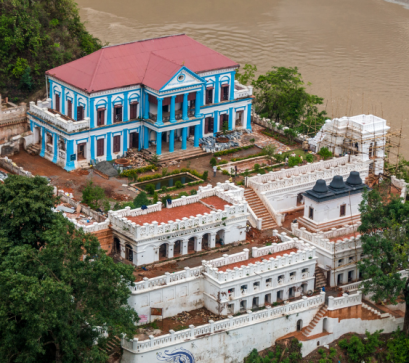

Tucked away in the lush southern hills of the Kathmandu Valley, Sheshnarayan Mandir in Pharping is one of Nepal’s most spiritually significant yet quietly enchanting heritage sites. Revered by devotees and cherished by cultural travellers, this ancient shrine dedicated to Lord Vishnu offers a rare blend of mythology, history and natural beauty.

A Sacred Narayan Temple in the Kathmandu Valley
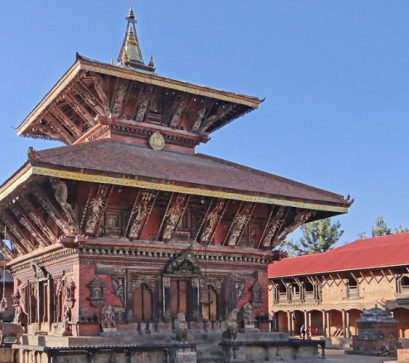
Sheshnarayan Mandir holds a distinguished place among the four Narayan temples of the Kathmandu Valley, alongside Changu Narayan, Bishankhu Narayan and Ichangu Narayan. Here, Lord Vishnu is worshipped in the form of Shesh Narayan, reclining upon the divine serpent Sheshnag, a symbol of cosmic balance and protection.
For centuries, pilgrims have journeyed to this temple seeking blessings for peace, prosperity and spiritual fulfilment. The site is particularly revered during Haribodhini Ekadashi, when devotees believe Lord Vishnu awakens from his cosmic slumber.
Legends, History and the Origins of Sheshnarayan Mandir
Local legends weave Sheshnarayan Mandir deeply into the sacred geography of the Valley. It is believed that the Bagmati River, Nepal’s most sacred river, originates from this very area, reinforcing the site’s spiritual importance.
Historically, the temple is thought to date back to the Licchavi period, making it one of the oldest Vishnu shrines in Nepal. Stone inscriptions, age-worn sculptures and traditional craftsmanship offer glimpses into a time when religion, art and governance were inseparable.

Hindu–Buddhist Significance of Sheshnarayan Mandir
Pharping is unique in Nepal for its profound Hindu–Buddhist harmony, and Sheshnarayan Mandir stands as a testament to this shared spiritual heritage. Just a short walk away are sacred Buddhist caves associated with Guru Padmasambhava (Guru Rinpoche), who is believed to have attained enlightenment in this area.
This coexistence of traditions creates a powerful atmosphere where chants, prayer flags and temple bells blend seamlessly, offering visitors a deeply reflective experience.
Architecture and Natural Setting of Sheshnarayan Mandir
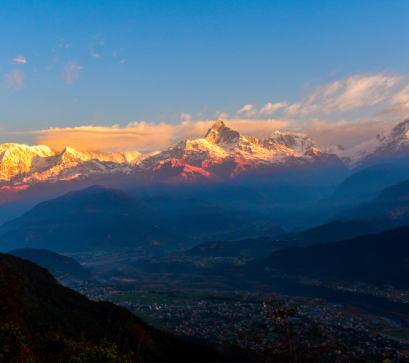
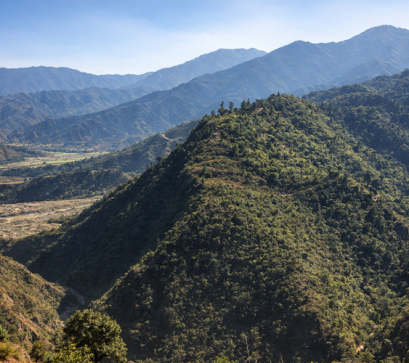
The temple complex showcases traditional Newari architecture, with intricately carved stone images and a sacred pond believed to be connected to the serpent deity. Encircled by forested hills and calm pathways, Sheshnarayan feels worlds apart from Kathmandu’s urban pace.
The surrounding greenery, especially during the monsoon and autumn months, enhances the sense of tranquillity, making it an ideal place for quiet contemplation.
How to Visit Sheshnarayan Mandir, Pharping
Location: Pharping, Dakshinkali Municipality, around 19 km south of central Kathmandu
Best time to visit: Early morning or during major Vishnu festivals
Getting there: Easily accessible by road via Pharping; public buses and private vehicles are available
Nearby attractions: Dakshinkali Temple, Pharping Buddhist caves, Asura Cave, and traditional Newari settlements

PC: Wikimedia Commons (Rajesh Dhungana)
Also Read