
Nestled on the scenic banks of the Kali Gandaki River in Palpa district, Rani Mahal, often called the Queen’s Palace, is an evocative reminder of Nepal’s rich cultural heritage, romantic history and architectural ingenuity. Its riverside setting and tragic love story have earned it affectionate comparisons to the Taj Mahal, making it one of western Nepal’s most compelling heritage sites.
A Palace Built for Love
Rani Mahal was commissioned in 1893 by General Khadga Shamsher Rana in memory of his beloved wife, Tej Kumari Devi, who died suddenly the year before. Deeply moved by her passing, Khadga Shamsher sought to honour her life with a majestic palace that would stand as a symbol of his affection and respect.

Unique Architectural Fusion
The palace’s design is a striking blend of Nepali, Mughal and European architectural influences, reflecting the eclectic tastes of the Rana elite of the 19th century. Built principally of brick and mortar, it features symmetrical façades, elegant arches, broad balconies and expansive windows that frame views of the winding Kali Gandaki below.
Though sometimes likened to India’s Taj Mahal for its romantic inspiration and riverside location, Rani Mahal stands apart in style and scale; smaller but intensely evocative, with its own distinct charm and historical significance.
From Abandonment to Museum
Following political turmoil in 1902, Khadga Shamsher fled to India, leaving the palace abandoned and vulnerable to the elements. Over decades, it fell into disrepair, its walls and gardens succumbing to the passage of time. However, renewed appreciation for its cultural value has seen Rani Mahal conserved and re-imagined as a palace museum, displaying artefacts associated with its history and offering visitors a palpable sense of its former grandeur.
Today, Rani Mahal attracts history enthusiasts, architecture lovers and cultural travellers from Nepal and abroad, all drawn by its story, its setting and the promise of quiet reflection beside the flowing river.

Visiting Rani Mahal
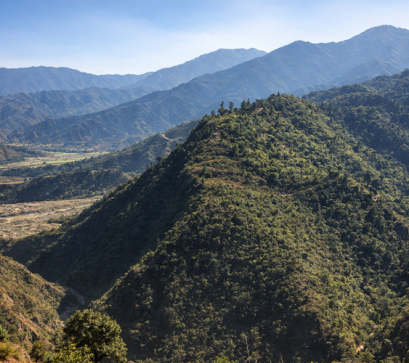
Access to Rani Mahal is most commonly made via Tansen, the charming hill town that serves as Palpa’s administrative centre. From here, the palace lies about 13 km north, reachable by road or by a scenic hillside trek that offers striking views of the surrounding hills and river valley.
Beyond the palace itself, visitors to the area can explore Tansen Bazaar’s traditional streets, local handicrafts such as Palpali Dhaka textiles, and nearby natural attractions. The riverside setting also provides a serene backdrop for photography and quiet contemplation.
A Heritage Worth Preserving
While Rani Mahal’s romantic past and architectural beauty make it a standout attraction, efforts to preserve and restore the palace reflect a broader commitment to safeguarding Nepal’s cultural landmarks. Ongoing conservation initiatives aim to protect it from natural wear and contextual threats, including river erosion along the Kali Gandaki, ensuring that this iconic palace endures for future generations to appreciate.
Also Read