
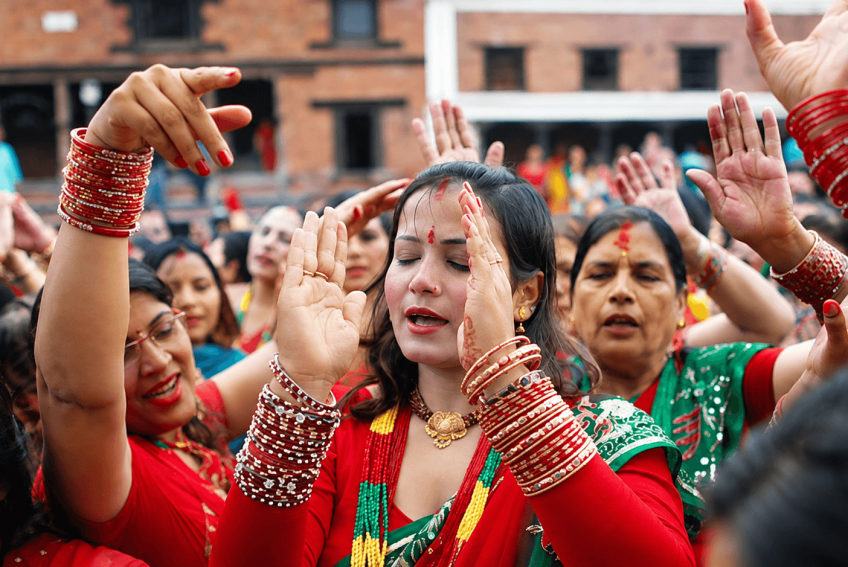
Once a year, Nepal turns red. Streets fill with women in crimson saris, temple courtyards echo with folk songs, and for three days, an entire culture pauses to honor devotion, sisterhood, and the quiet strength of women. This is Teej, one of the most visually stunning and emotionally rich festivals in the Himalayan calendar.
Teej traces back to a legend of extraordinary patience: Goddess Parvati's relentless penance to win Lord Shiva as her husband. Her fasting and unwavering faith eventually softened Shiva's resolve, and their union became the eternal symbol of marital harmony. Every year, women across Nepal reenact that devotion not through penance alone, but through celebration.
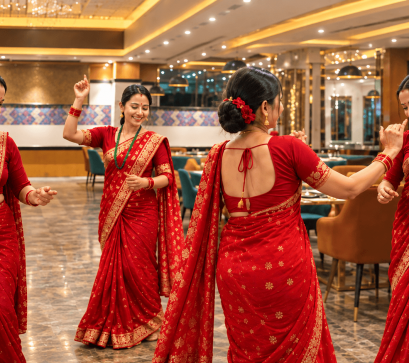
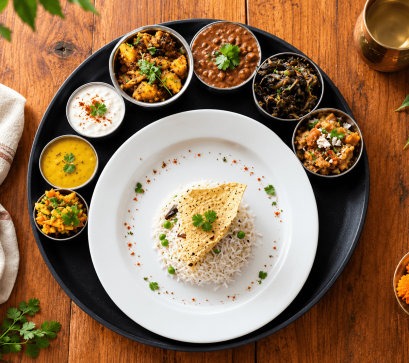
Dar Khane Din kicks off the festival with abundance rather than restraint. Women gather in their finest clothes, sing, dance, and feast late into the night fueling up before the fast ahead.
The Fasting Day is the festival's spiritual core. Many women observe nirjala vrat, a fast without even water, dressed in red and gold, bangles chiming as they walk in procession to Shiva temples.
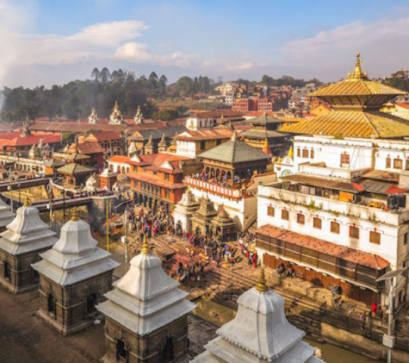
Kathmandu's Pashupatinath Temple becomes the epicenter of a river of red saris moving toward the sacred lingam, oil lamps kept burning through the night for their families' prosperity.
Rishi Panchami closes the festival with purification: ritual baths, herbal cleansing, and prayers of gratitude to the seven sages, washing away the year's transgressions.
What makes Teej extraordinary isn't just its color or spectacle, it's what happens between the rituals. The folk songs women sing while dancing have long doubled as a rare public outlet for grievances rarely spoken elsewhere: the burdens of marriage, family expectation, and social inequity. In recent decades, these songs have shifted from quiet lament to open commentary, turning Teej into something close to a moving, musical form of collective voice.
That's why modern conversations about Teej are split. Critics note its roots in patriarchal expectation women fasting for husbands' longevity while men make no reciprocal vow. Yet for many women themselves, the festival has been reclaimed: less about obligation, more about gathering, self-expression, and unapologetic joy in womanhood.
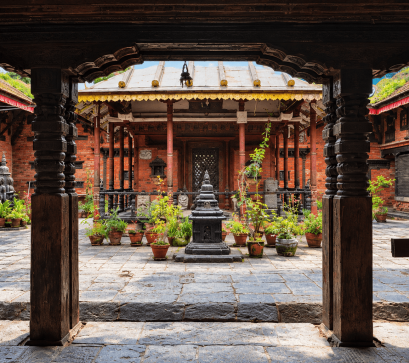
Pashupatinath Temple remains the most breathtaking place to experience Teej, but the festival lives just as vividly in Bhaktapur's Dattatreya Temple, the streets of Patan, and countless village courtyards where swings hang from trees and songs carry late into the night. Nepali communities abroad in the US, UK, and Australia keep the tradition alive too, proof that Teej travels wherever its women do.
Held each August–September per the lunar calendar, Teej isn't simply a religious observance. It's a living, evolving portrait of Nepali womanhood equal parts faith, fasting, rebellion, and radiant red.

 (1).png)


.jpg)