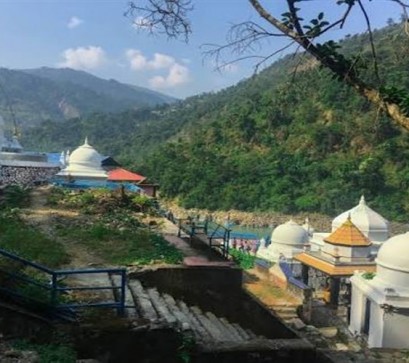
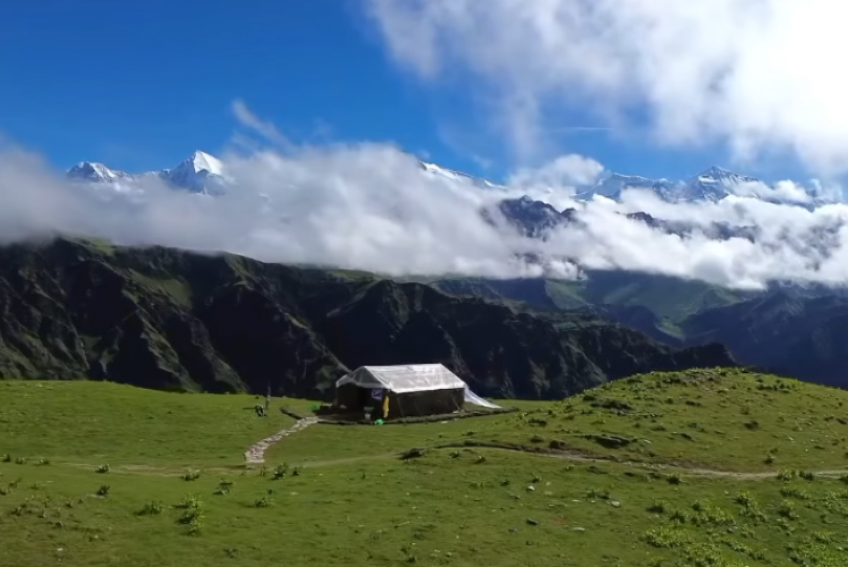
High above the rolling valleys of western Nepal, where clouds drift low across alpine grasslands and shepherd trails disappear into mist, Bukipatan remains one of the country’s least explored highland landscapes. Hidden within the Dhorpatan Hunting Reserve, this remote meadowland is gradually emerging as a new trekking destination for travellers seeking solitude beyond Nepal’s crowded Himalayan routes.
Unlike the structured trekking circuits of Everest or Annapurna, Bukipatan offers something quieter and more elemental with expansive grazing plains, temporary shepherd settlements, dramatic monsoon landscapes, and an atmosphere shaped by wind, altitude, and isolation. Located at elevations reaching around 4,000-4,500 metres, the region feels less like a trekking trail and more like a seasonal world suspended above the valleys below.
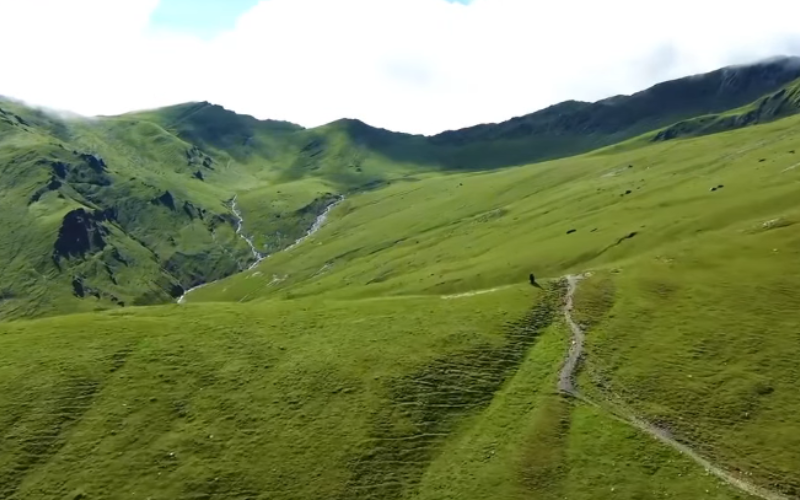
Bukipatan lies within the Dhorpatan region of Baglung District in western Nepal, inside Nepal’s only hunting reserve. The area stretches across alpine meadows locally referred to as “patan”: high-altitude grazing grounds traditionally used by herders during the monsoon and summer seasons.
The journey begins from Burtibang or Dhorpatan Valley, gradually ascending through forests, grazing routes, and remote settlements before reaching the open highlands of Bukipatan. Recent travel interest and social media exposure have introduced the destination to younger domestic trekkers, particularly during the lush monsoon months.
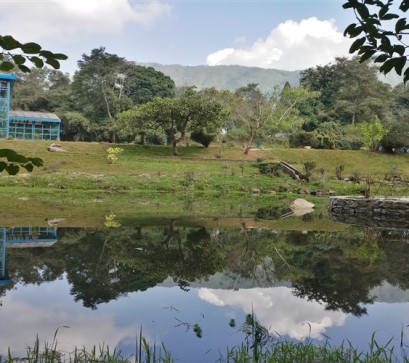
What distinguishes Bukipatan from many trekking destinations in Nepal is the landscape itself. There are no dense settlements, crowded teahouse chains, or dramatic suspension bridges dominating the scenery. Instead, trekkers encounter rolling green plateaus, grazing livestock, cloud-covered ridges, and vast open skies.
During monsoon and late summer, the highlands transform into vibrant meadows covered in wild grass and seasonal flowers. Mist drifts continuously across the hills, creating a cinematic atmosphere that has made the region increasingly popular among photographers and content creators.
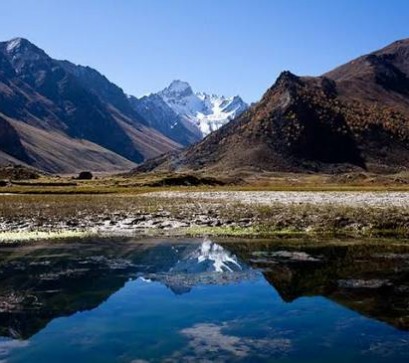
Higher sections such as Garpa Chheda, Furse Deurali, and Tikadhara reveal panoramic views of the Dhaulagiri range and surrounding highlands. In clear weather, the contrast between green pasturelands and snow-covered Himalayan peaks becomes especially striking.
Bukipatan is a living pastoral landscape.
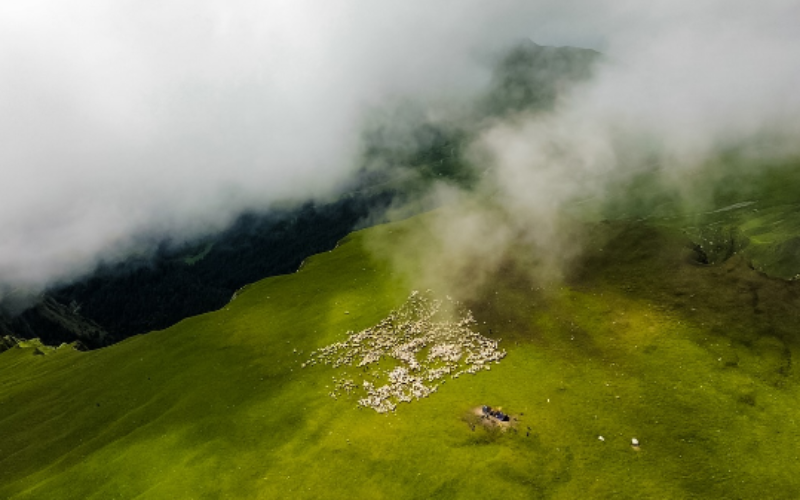
For generations, herders from Baglung, Rukum, Rolpa, Dolpa, and neighbouring districts have migrated seasonally into these high meadows with sheep, goats, horses, and cattle. Temporary stone shelters and goths remain scattered throughout the region, many of which now accommodate trekkers during peak months.
Life here follows the rhythm of altitude and weather. During summer, the grasslands fill with livestock and movement. By late autumn, freezing temperatures and snow force both people and animals back toward lower valleys, leaving the landscape almost entirely deserted.
Bukipatan falls within the boundaries of the Dhorpatan Hunting Reserve, Nepal’s only designated hunting reserve established in 1987.
Despite its name, the reserve is also an important conservation area supporting biodiversity across forests, alpine meadows, and high Himalayan terrain. Wildlife found in the region includes:
Trekkers frequently encounter herds of blue sheep across the open slopes, particularly in quieter sections away from main grazing areas.
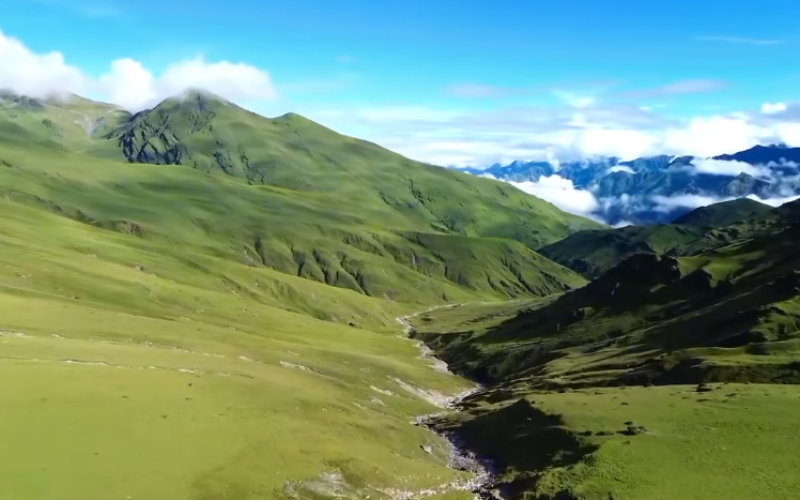
The most visually rewarding period is from June to October, when the hills are lush and grazing life is active.
However, weather conditions can shift rapidly. Monsoon clouds, rainfall, and slippery trails are common, while winter brings heavy cold, frozen water sources, and near-total seasonal abandonment of the highlands.
Bukipatan represents a changing direction in Nepali travel culture. Younger travellers are increasingly seeking remote landscapes, slower journeys, and experiences beyond commercial trekking corridors. In this sense, Bukipatan is not simply a destination but part of a broader rediscovery of Nepal’s overlooked highlands.
There are no luxury lodges here, few permanent structures, and limited connectivity. Yet that absence has become part of its attraction.
For those willing to endure rough roads, uncertain weather, and basic conditions, Bukipatan offers something increasingly rare in modern travel; a genuine remoteness.
PC: Internet
Also Read

.jpg)
.jpg)