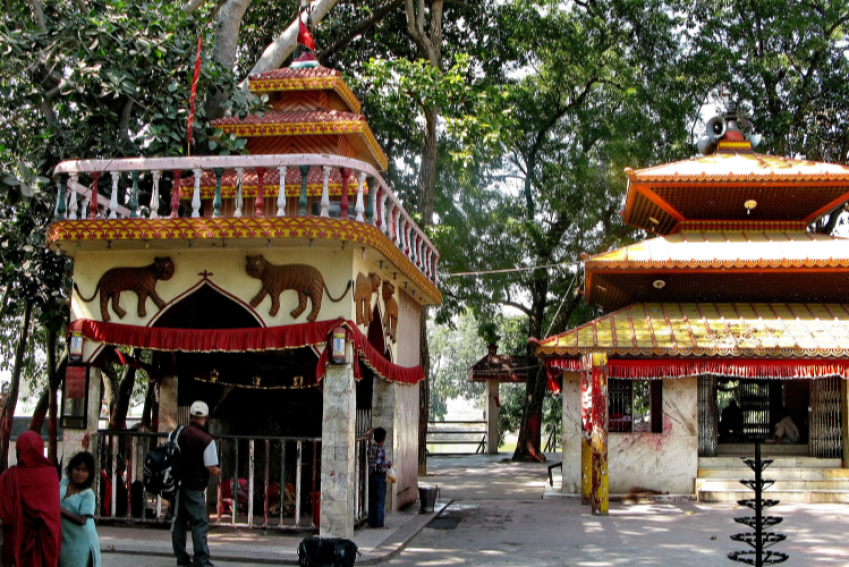
In the sun-drenched plains of Nepal’s central Terai, the sacred grounds of Gadhimai Temple rise from the agricultural landscape of Bariyarpur in Bara District. Quiet for much of the year, this revered shrine transforms into one of South Asia’s largest spiritual gatherings during its grand five-yearly festival. Rooted in faith, folklore and regional devotion, Gadhimai Temple remains a powerful symbol of belief in Nepal’s southern belt.
The Origin Legends of Gadhimai
Like many sacred sites across Nepal, the origins of Gadhimai Temple are preserved through oral tradition rather than written chronicle. Over generations, multiple legends have taken root in the Terai, each reflecting the region’s spiritual imagination and collective memory.
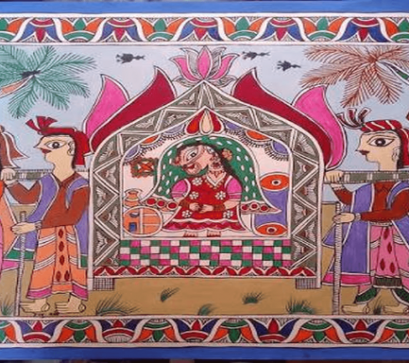
One widely shared narrative centres on Bhagawan Das Tharu, who is said to have been imprisoned for a grave offence. During his confinement, the goddess often identified as Tulaja Bhawani of Makawanpurgadhi and regarded as a manifestation of Durga appeared to him in a dream. She handed him a sacred trident and instructed him to carry her divine presence back to his village. In return, she promised to release him from suffering.
According to the legend, once freed, he planted the trident at Bariyarpur, precisely where the goddess had indicated. That sacred spot is believed to be the present site of Gadhimai Temple.
Another enduring version tells of Bhagwan Chaudhary, a devout village landowner who accepted blame for a fatal incident in order to protect his community. While imprisoned, he dreamt of Kalimata (Goddess Kali), and upon awakening, found himself miraculously released. In gratitude, he vowed to build a temple in her honour.
Carrying soil from the sacred site where he received divine darshan, he journeyed back towards Bariyarpur. Local belief holds that wherever fragments of that soil fell along the way, places of worship later emerged including sites near Makwanpur Fort and Jitpur Fort. Upon reaching his village, he fulfilled his promise by establishing a temple dedicated to the goddess. In an act of profound devotion, he is said to have offered blood from five parts of his body as a sacred vow; a symbolic gesture of ultimate surrender.
Rather than competing accounts, these narratives coexist as part of the living folklore of the Terai. They reveal how faith in Gadhimai Devi has been shaped by devotion, sacrifice and generational storytelling.

The Five-Yearly Gadhimai Mela
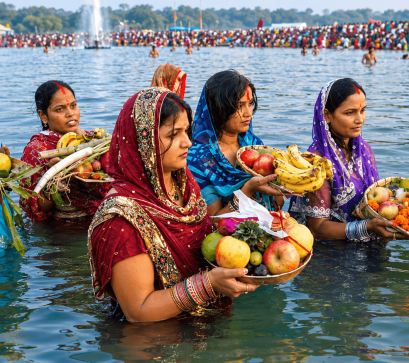
Every five years, Gadhimai Temple hosts the grand Gadhimai Mela, one of Nepal’s largest religious gatherings. Millions of pilgrims travel from across the country and neighbouring India to attend.
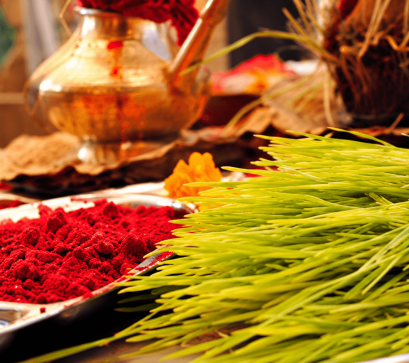
What is ordinarily a quiet Terai village becomes a vast spiritual fairground filled with:
The mela unfolds over several days, creating a rare convergence of faith, festivity and regional identity on a monumental scale.
A Temple in the Heart of the Terai
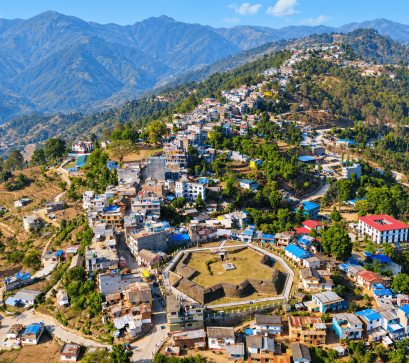
Located in Bara District near the Indo-Nepal border, Gadhimai Temple reflects the cultural fabric of the Madhesh region. The fertile plains surrounding Bariyarpur sustain not only agriculture, but also a tradition of worship deeply woven into local life.
For travellers exploring southern Nepal, the temple offers insight into a distinctive rhythm of devotion, markedly different from the pagoda temples of the Kathmandu Valley or the Himalayan shrines of the north. It is a reminder that Nepal’s spiritual geography stretches far beyond its mountains.
Visiting Gadhimai Temple
Outside festival periods, visitors will find a calmer atmosphere ideal for observing local worship practices and engaging respectfully with the community.
Friday Fact
Did you know?
During the Gadhimai Mela, Bariyarpur temporarily becomes one of Nepal’s most densely populated pilgrimage sites, welcoming millions of devotees within just a few days.
Gadhimai Temple stands as a testament to the enduring power of faith in Nepal’s plains: a sacred landmark where legend, devotion and regional identity continue to shape the cultural landscape of the Terai.
PC: Wikimedia Commons
Also Read