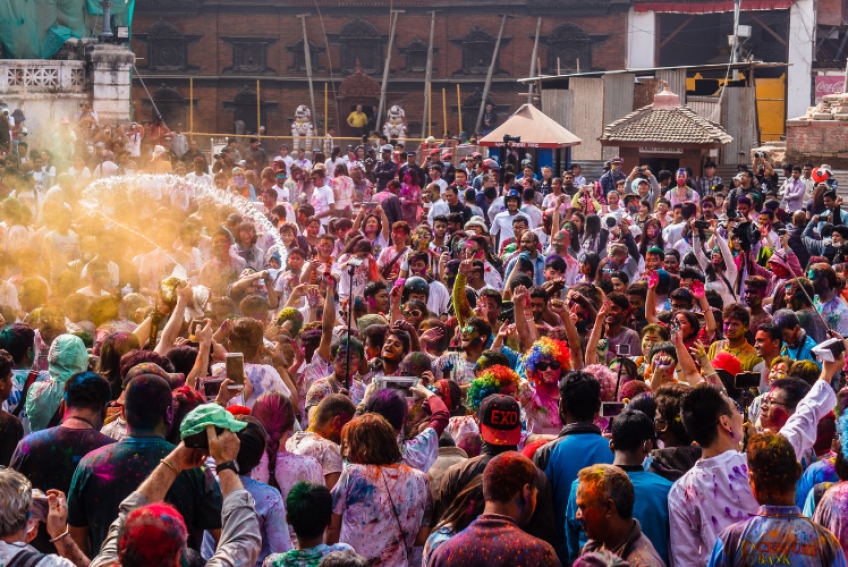
Holi, known in Nepal as Fagu Purnima is one of the most joyous and widely celebrated festivals across the country. Observed according to the lunar calendar on the full moon day of Falgun (Falgun 18-19, in the Vikram Samvat calendar), Holi marks the end of winter and the arrival of spring, bringing an explosion of colours, community spirit, and cultural traditions that reflect Nepal’s rich heritage.
When is Holi in Nepal 2026?
Because Holi follows the lunar calendar, its date changes each year. In 2026:
The festival traditionally begins on the evening before with Holika Dahan, a ritual bonfire signifying the destruction of evil forces, followed by Rangwali Holi, the colour‑playing day.
Mythology and Meaning: What Holi Symbolises in Nepal
Victory of Good Over Evil
At the heart of Holi lies one of Hinduism’s oldest moral lessons: the triumph of virtue over vice. The bonfire ritual, Holika Dahan symbolises this victory. According to tradition, the demon king Hiranyakashipu sought to kill his own son, Prahlad, for remaining devoted to Lord Vishnu. Holika, the king’s sister, possessed a boon that protected her from fire, so she sat with Prahlad in a blazing fire. However, divine grace saved Prahlad while Holika perished, teaching that devotion and goodness ultimately prevail over arrogance and evil.
Celebration of Divine Love
Another enduring story associated with Holi in Nepal centres on the divine love between Radha and Krishna, beloved figures in Hindu mythology. It is said that Krishna concerned that his darker complexion might make Radha hesitant to accept him playfully smeared colours on her face at the suggestion of his mother Yashoda. This playful act of colouring became a defining part of Holi and ultimately a symbol of love, acceptance and equality, making the festival a celebration of love in all its forms.

Seasonal Renewal
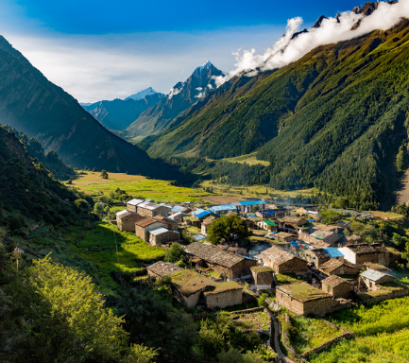
Holi also marks the transition from the cold, dormant winter to vibrant spring. The vivid coloured powders and water sprayed during celebrations symbolise blossoming nature, warmth, and new life echoing the transformation of the landscape as flowers bloom and the days lengthen. This seasonal significance resonates strongly in Nepal’s varied geography, from snow‑topped hills to fertile plains.
How Holi is Celebrated Across Nepal
While the core significance of Holi is shared nationwide, the expression of the festival varies by region, reflecting Nepal’s cultural diversity:
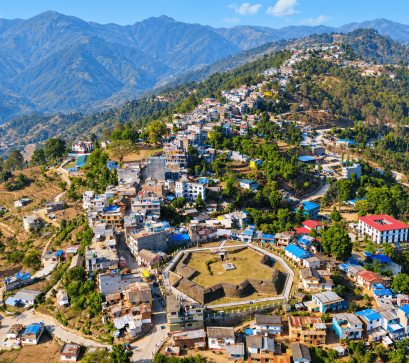
Across Nepal, Holi is celebrated with regional variations that reflect the country’s diverse culture and landscape. In the Kathmandu Valley, the festival begins with the ceremonial installation of the Chir pole, a colourful bamboo pole adorned with cloth, marking the start of festivities; once the auspicious time has passed, locals lower the pole as part of the ritual. Celebrations in Basantapur Durbar Square, Thamel, and temple grounds combine sacred rituals with playful colour throwing, music, dance, and street gaiety that attract both locals and tourists. In Pokhara and other hill towns, the festival takes on a scenic charm, with lakeside gatherings, folk dances, traditional music, and temple rituals creating an intimate cultural celebration against the backdrop of nature. Meanwhile, in the Terai plains, including cultural hubs like Janakpur, Holi is marked by exuberant colour play, water balloons, and lively open‑air festivities, reflecting a more exuberant style while maintaining distinct local customs and hospitality.
Cultural Threads: Unity, Forgiveness, and Joy
Holi in Nepal goes beyond mythology and seasonal change: it’s a time for social harmony, reconciliation and communal joy. Families and neighbours visit one another, exchange sweets, share festive meals like sel roti and malpua, and forgive past grievances in a collective spirit reflected in the festival’s playful refrain: “Bura na mano, Holi hai!” (Don’t mind, it’s Holi!).
For Nepalese people, Holi is more than a colourful carnival: it’s a living tradition that unites communities, honours cultural heritage, and welcomes the promise of spring. Whether through ancient myths, regional rituals, or the simple act of sharing colour and laughter, Holi remains a festival of love, renewal, and joyous spirit: quintessentially woven into the cultural fabric of Nepal.
Also Read