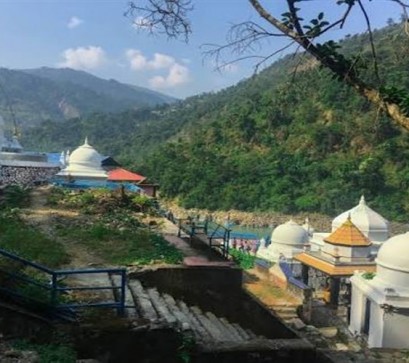
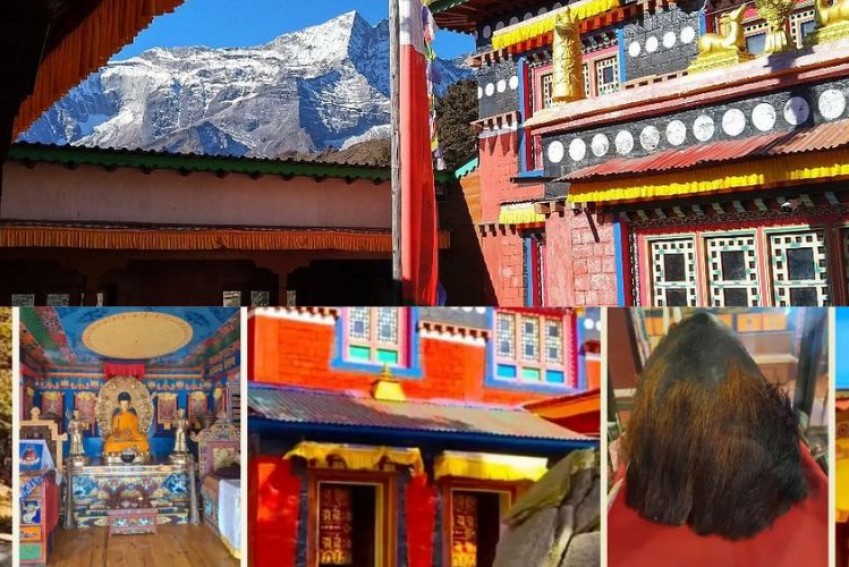
Nestled in the heart of the Khumbu region, within the picturesque village of Khumjung, Khumjung Monastery is one of the most culturally significant monasteries in the Everest region. Set against the dramatic backdrop of the Himalayas and not far from Sagarmatha National Park, it offers both spiritual depth and a fascinating glimpse into Sherpa heritage.
History and Significance
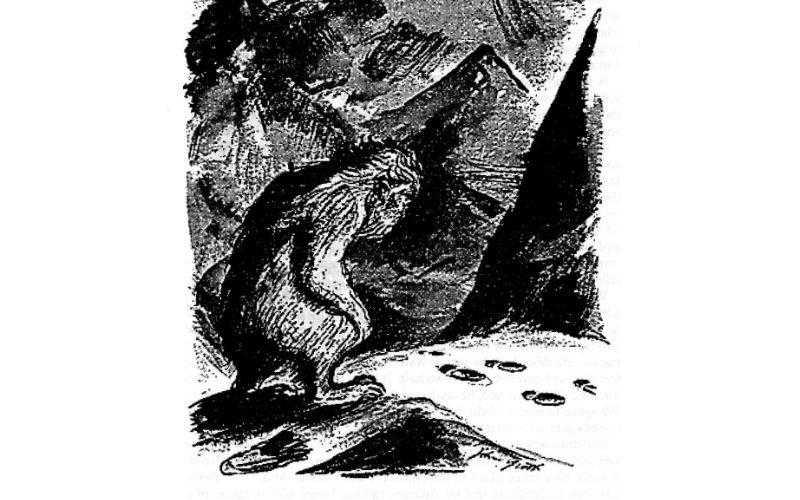
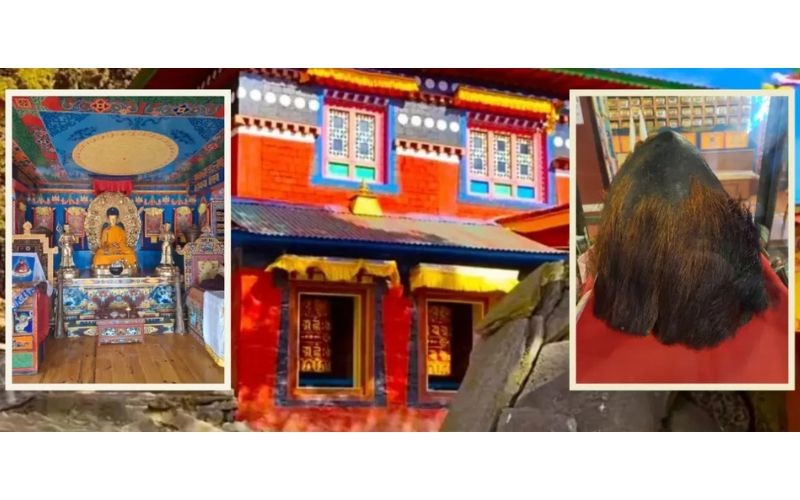
Khumjung Monastery rooted in the Nyingma tradition of Tibetan Buddhism and has long served as a centre of spiritual life for the local Sherpa community. It is widely known for housing what is claimed to be a scalp of the legendary Yeti, a relic that has intrigued travellers and researchers alike for decades.
Architecture and Atmosphere
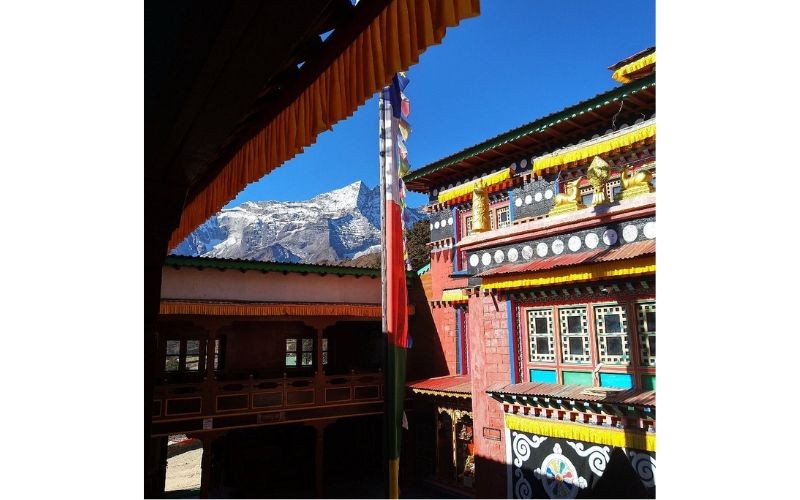
The monastery’s architecture is simple yet deeply symbolic, featuring traditional stone walls, prayer flags fluttering in the mountain breeze, and intricately painted interiors. Inside, visitors will find vibrant murals, statues of Buddhist deities, and prayer wheels that echo centuries of devotion.
Cultural Experience
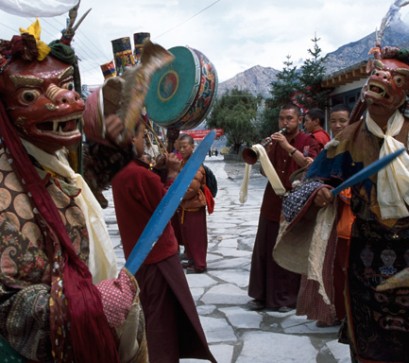
Visiting Khumjung Monastery is not just about sightseeing, it’s about immersion. The surrounding village is one of the largest Sherpa settlements in the region, where traditional lifestyles continue alongside trekking tourism. Monks perform daily rituals, and if you visit during special occasions, you may witness festivals rich in colour, music, and spiritual significance.
How to Get There
Khumjung is typically reached via a trek from Lukla Airport, following the classic Everest Base Camp trail. After passing through Namche Bazaar, a short uphill hike leads to the peaceful village of Khumjung.
Best Time to Visit
Khumjung Monastery stands at the intersection of myth, faith, and Himalayan life. Whether you are drawn by the mystery of the Yeti or the serenity of mountain spirituality, it remains a quiet yet powerful highlight of the Everest region, one that reflects Nepal’s rich cultural tapestry beyond its peaks.
PC: Nepal Peak Adventure, Tripadvisor, AJ 1999 81-87 Ward Footprints
Also Read

.jpg)
.jpg)