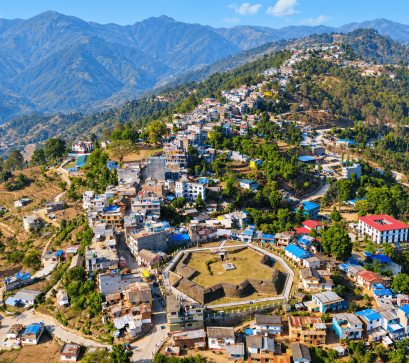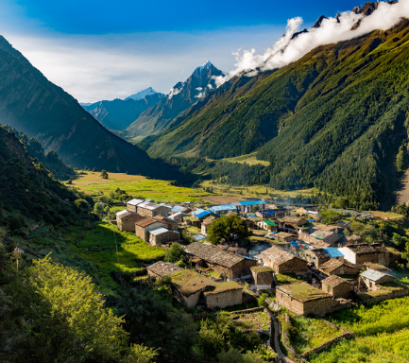
Tucked within the historic Newar settlement of Nala in Kavrepalanchok District, the shrine of Nala Machhindranath stands as a quiet yet powerful testament to the Kathmandu Valley’s living spiritual traditions. While the towering chariot festival of Patan often dominates public imagination, Nala preserves an equally ancient and deeply rooted lineage of devotion: intimate, agrarian and profoundly local.
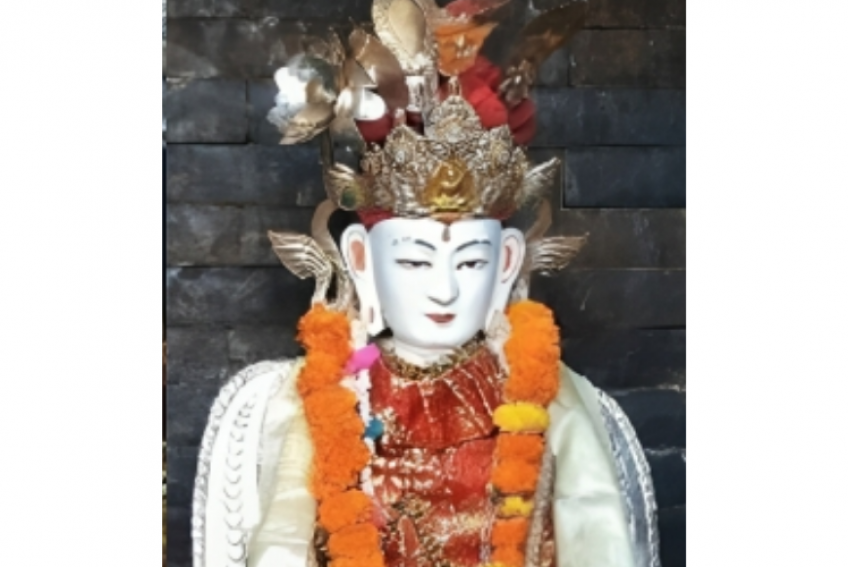
Here, Machhindranath is revered as Srishtikanta Lokeshwar, a manifestation of Karunamaya and the compassionate Bodhisattva Avalokiteshvara. Within Hindu belief, he is simultaneously honoured as a rain-bestowing deity. This syncretic identity reflects the seamless interweaving of Buddhist and Hindu traditions that characterise the cultural fabric of the Kathmandu Valley.
The Origin of Nala Machhindranath
According to local tradition, the sacred image of Nala Karunamaya was once brought from Bungamati, long regarded as an important seat of the Valley’s rain deity. During its journey, a violent storm caused the Punyamata and Nandimata rivers to swell dramatically, forcing those carrying the image to abandon it along the riverbank near present-day Nala.
That same night, three figures, the King of Banepa, a priest from Bungamati and a local Pode (fisherman) are said to have dreamt of the deity’s resting place. Guided by these visions, they located the image and established it at Nala. There, the deity came to be venerated as Srishtikanta Lokeshwar, associated with rain, fertility, creation and communal protection.
Unlike the state-linked traditions surrounding the grand Rato Machhindranath Jatra, Nala’s origin narrative reflects a distinctly local evolution of the wider Machhindranath, Karunamaya tradition, one rooted in riverine landscape, agrarian rhythms and community guardianship.
Nwaha: The Sacred Bathing Ritual
Tomorrow marks Nala Machhindranath Nwaha, one of the most significant rituals in the temple’s annual calendar.
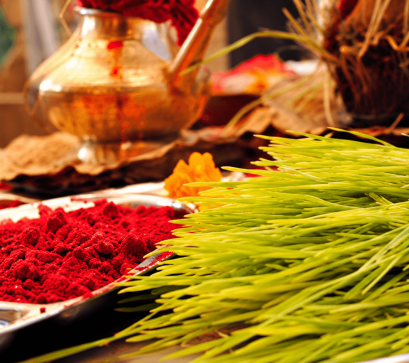
“Nwaha”, meaning “holy bath” in Nepal Bhasa (the Newar language), is a ceremonial purification of the deity. The sacred image is bathed in water, milk, honey and other auspicious substances amid Vedic recitations and traditional Newar musical ensembles. The ritual signifies renewal, not only of the deity’s icon but of the community’s collective spirit.
This cleansing ceremony is both symbolic and ecological. It represents an invocation for timely rain, prosperity and harmony with nature. In a region historically dependent on agriculture, Nwaha embodies hope for balanced monsoons and abundant harvests.
Unlike Patan’s monumental chariot procession, Nala’s observance remains intimate and community-centred. Local Guthis, priests and families gather in shared devotion, preserving practices transmitted across generations. The atmosphere is one of solemn reverence rather than spectacle, offering visitors a rare glimpse into living Newar ritual culture.

Festival Traditions in Nala
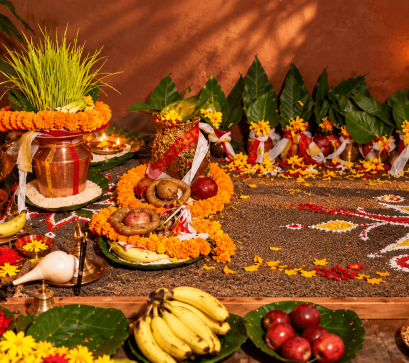
Beyond Nwaha, Nala Machhindranath’s annual observances include processions, offerings and communal gatherings that reinforce social cohesion. Traditional instruments such as "dhime" and "bhusya" accompany ritual sequences, while devotees present flowers, rice, oil lamps and seasonal produce.
The festival calendar reflects a worldview in which divinity, agriculture and community life remain inseparable. Each rite affirms gratitude to the elemental forces believed to sustain existence: rain, soil and cosmic balance.
In contrast to more urbanised celebrations elsewhere in the Valley, Nala retains an authenticity shaped by locality rather than performance. The temple courtyard becomes a space where myth breathes through lived practice, where faith is woven into daily life rather than staged for display.
For travellers seeking cultural depth beyond postcard imagery, Nala offers something rare: an encounter with devotion unfiltered by commercialisation. As Nwaha approaches, the shrine once again becomes a focal point of collective hope: a quiet yet powerful reaffirmation of faith in rain, renewal and the natural rhythms that sustain life.
Also Read