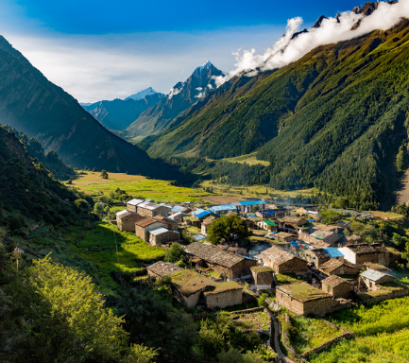
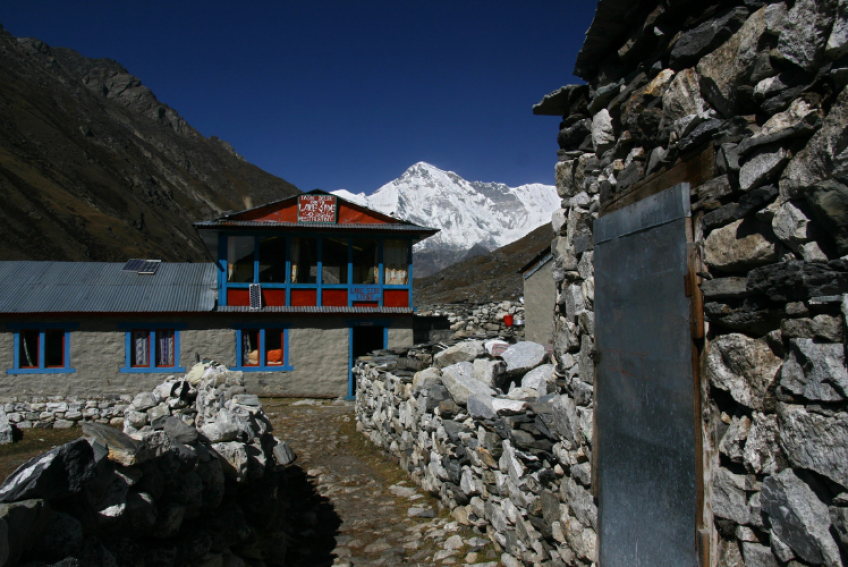
When trekking in Nepal, most routes are lined with affordable mountain lodges, commonly known as teahouses. These are simple, locally run establishments designed for practicality rather than luxury. They are very different from high-end mountain resorts or premium expedition lodges. Comfort levels vary depending on altitude and remoteness, so setting realistic expectations is essential.
Before confirming your stay, here are the key questions to ask.
What Is the Altitude of the Lodge?
Altitude affects everything from comfort to safety. Lodges above 3,000 metres may have:
Understanding the elevation helps you prepare physically and pack appropriately.
What Type of Rooms Are Available?
Not all mountain lodges offer private en-suite rooms. Ask:
In many traditional teahouses, bathrooms are shared and basic which is perfectly normal in high-altitude settings.
Is There Heating, and Where?
Heating in mountain lodges is usually limited to:
Rarely are bedrooms heated. Knowing this in advance allows you to pack thermal layers or a sleeping bag liner.
How Reliable Is Electricity?
Electricity may be solar-powered or limited by generator hours. Important follow-up questions:
Do not assume 24-hour electricity in remote areas.
Is Hot Water Available, and at What Cost?
Hot showers are not always included. In some regions:
Clarify expectations beforehand to avoid surprise costs.

What Food Options Are Offered?
Most trekking lodges provide a standardised menu (dal bhat, noodles, soups, pancakes). However:
In remote areas, variety decreases with altitude.
What Is the Cancellation Policy?
Weather in the mountains can disrupt plans. Always confirm:
Mountain travel requires adaptability.
Is the Lodge Locally Owned?
Choosing locally owned lodges supports community-based tourism. This ensures:
Responsible travel begins with informed booking decisions.
What Is the Lodge’s Reputation?
If possible:
Word of mouth is still one of the most reliable indicators in Nepal’s trekking routes.
A mountain lodge is not simply accommodation, it is part of the trekking experience. Expectations should be realistic, especially as altitude increases. The key is not luxury, but preparation.
Ask the right questions, pack wisely, and embrace the simplicity that makes Nepal’s mountain hospitality so memorable.
Also Read