High in the windswept valleys of Upper Mustang, where Tibetan Buddhist traditions continue to shape daily life, the Yartung Festival transforms remote Himalayan settlements into vibrant arenas of horse racing, masked dances, music, and celebration. Held annually in the ancient kingdom of Lo (Upper Mustang), Yartung is one of Nepal’s most culturally fascinating Himalayan festivals, a spectacular farewell to summer before the harsh mountain winter arrives.
Derived from the Tibetan words Yar (summer) and Tung (end), Yartung is celebrated primarily in Lo Manthang and around Muktinath Temple, bringing together local communities, monks, horse riders, and travellers for several days of traditional festivities deeply rooted in Mustang’s Tibetan heritage.
What Makes Yartung Festival Special?
Unlike Nepal’s larger commercial festivals, Yartung remains deeply local and culturally preserved. Horses play a central role in the celebration, symbolising prestige, survival, and identity in Mustang’s rugged Himalayan terrain.
The festival typically features:
In Lo Manthang especially, the medieval walled city atmosphere adds a rare sense of stepping back in time.
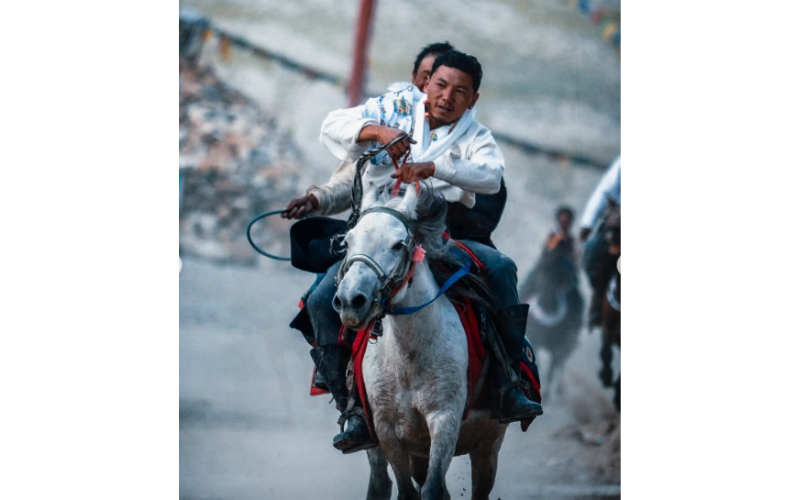
The most traditional and culturally immersive Yartung celebrations take place in Lo Manthang, the historic walled capital of the former Kingdom of Lo.
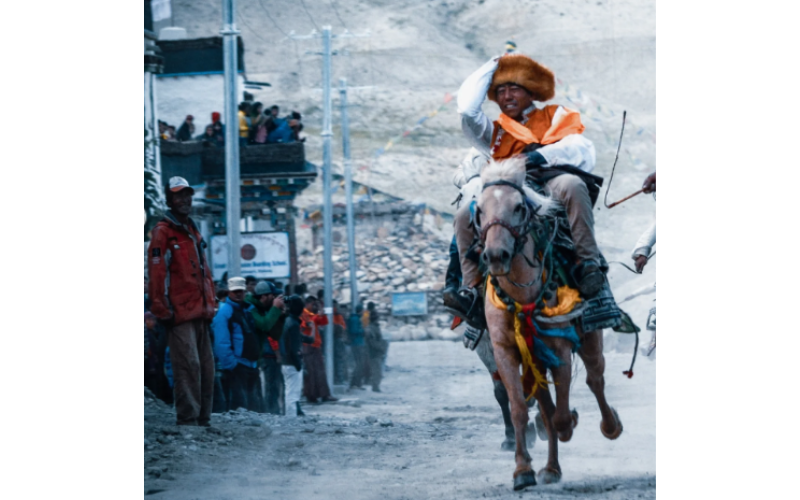
Here, local riders dressed in traditional attire race horses across dusty plains while monasteries host ritual ceremonies and masked performances. The atmosphere combines Tibetan Buddhist spirituality with the excitement of a Himalayan sporting festival.
However, visiting Lo Manthang requires special permits and advance planning due to Upper Mustang’s restricted area status.
Yartung celebrations are also held around Muktinath Temple and Ranipauwa in Lower Mustang.
Compared to Lo Manthang:
This option suits travellers with shorter itineraries or smaller budgets.
Although celebrations vary slightly between villages, Yartung commonly unfolds over several days with different ceremonial and community events.
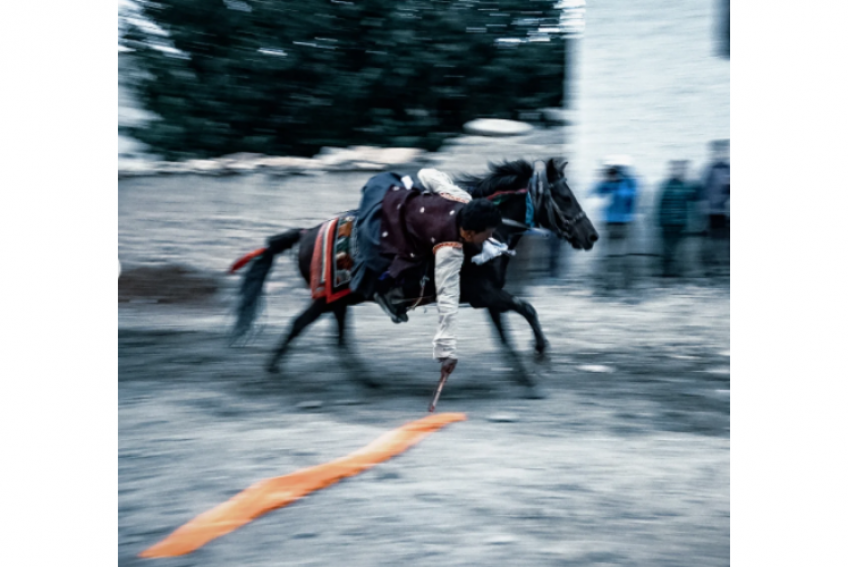
Horse racing remains the heart of Yartung. Riders demonstrate exceptional skill while galloping across Mustang’s open terrain, sometimes performing traditional stunts such as collecting ceremonial scarves from the ground while riding at full speed.
Monks from local monasteries perform sacred masked dances believed to ward off negative energies and bring peace and prosperity to the region.
Local families gather for:
Travellers attending Yartung in Upper Mustang should prepare for stricter trekking regulations and permit requirements.
Foreign travellers entering Upper Mustang require:
Current Upper Mustang permit fees begin at approximately USD 50 per day for the first 10 days, though travellers should confirm updated rates before booking.
Foreign travellers visiting Upper Mustang are required to travel with a licensed guide arranged through a registered trekking agency.
Most agencies also assist with:
Trips to Yartung can vary significantly depending on travel style.
Typical options include:
Accommodation in Lo Manthang remains limited during festival periods, so early booking is strongly recommended.
Yartung is generally celebrated during mid-to-late August, around the end of the Himalayan summer season.
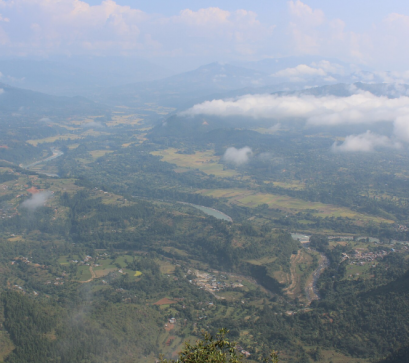
Although August falls within Nepal’s monsoon period, Mustang’s trans-Himalayan geography receives significantly less rainfall than other parts of the country, often allowing for dramatic landscapes and clear mountain views between weather systems.
Unlike mainstream urban festivals, Yartung offers travellers:
For photographers, cultural travellers, and adventure seekers, the Yartung Festival remains one of Nepal’s most extraordinary seasonal experiences.
PC: Mohan K. Duwal
Also Read