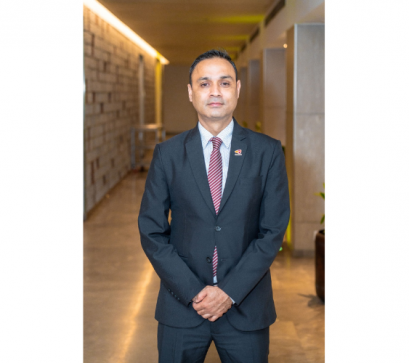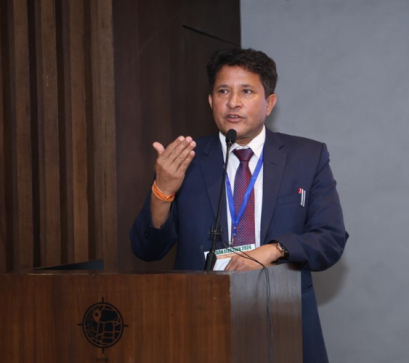
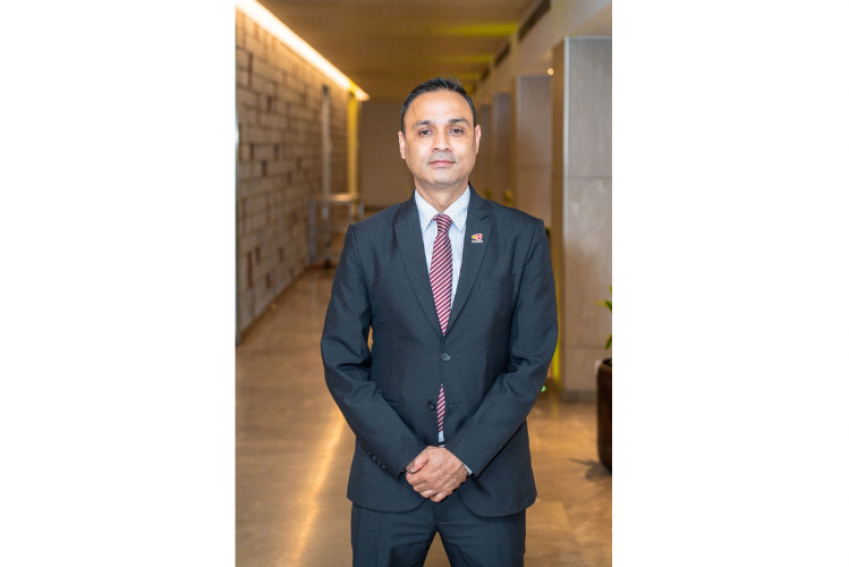
Harish Bhatt is the Head of Sales & Marketing at The Soaltee Hotels & Resorts, where each property carries its own distinct identity, from a city hotel to a lakeside retreat to a spiritual getaway. He combines strategic thinking with authentic storytelling to connect every property with today's traveller, who increasingly seeks not just luxury, but personalized experience and genuine emotional connection.
I am Harish Bhatt, Head of Sales and Marketing at The Soaltee Hotels & Resorts, with a deep passion for hospitality. I believe sales and marketing extend far beyond promoting rooms and F&B — they are about creating meaningful experiences that inspire people to choose a destination and return with lasting memories.
Each of our properties possesses a distinct identity and character. My approach has always been to combine strategic thinking with authentic storytelling, ensuring every property connects with travellers in a way that is memorable and meaningful. Sustainable success lies in understanding what today's traveller truly wants — not just luxury, but authenticity, personalization, and genuine emotional connection.
Instead of asking, "How do we fill rooms?", I ask, "What reason have we given people to travel now?" The future of hospitality lies in creating demand rather than waiting for it.
During quieter months, I would collaborate with wellness experts, artists, chefs, photographers, fitness communities, and corporate organizations to design experiences that cannot be replicated elsewhere. Hospitality today is part of the experience economy — guests travel not because it is peak season, but because they discover something meaningful. When hotels become experience creators instead of accommodation providers, seasonality becomes less of a limitation.
Every review has two audiences — the guest who wrote it, and the thousands who will read our response. A professional reply should never be written simply to defend the hotel; it should demonstrate accountability, empathy, and confidence.
More importantly, the real work begins after the reply. If feedback does not result in operational improvement, responding publicly has little value. In hospitality, reputation is not managed online — it is managed on the property. Online reviews are simply reflections of what happens offline.
I believe partnerships should evolve beyond annual contracts and rate negotiations. Our responsibility is to become a business partner who understands market shifts before they happen.
Sharing market intelligence, co-creating destination campaigns, introducing new experiences, and maintaining operational consistency create trust that lasts much longer than promotional offers. The strongest partnerships are built when both sides stop asking, "What can we sell?" and start asking, "How can we grow together?"
Luxury is gradually moving away from extravagance and towards significance. Guests increasingly remember how a destination made them feel, how it respected its culture, and how it contributed to local communities.
Responsible tourism should not exist as a separate campaign — it should be naturally reflected in every guest touchpoint. The hotels that will lead tomorrow are those that create positive impact while delivering exceptional experiences. Sustainability is no longer a trend; it has become an indicator of quality.
Hospitality is fundamentally a people business. Don't begin your career by trying to become a marketer — begin by becoming an observer. Observe why guests smile, why they complain, why they return, and why they recommend a hotel.
Technology, AI, and digital platforms will continue to change the way we market, but curiosity, empathy, and relationship-building will always remain irreplaceable. In this industry, your greatest competitive advantage is not your sales pitch — it's your ability to understand people before they express their expectations.
Maintain integrity and professionalism in everything you do. Your reputation is one of your greatest assets, and when you consistently deliver on your commitments and genuinely care about your clients and colleagues, success naturally follows.