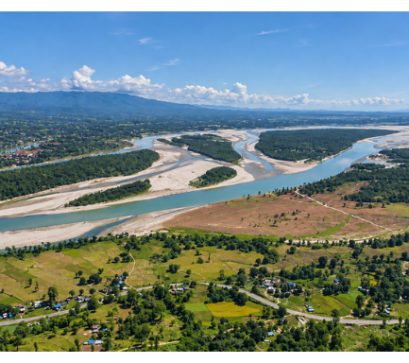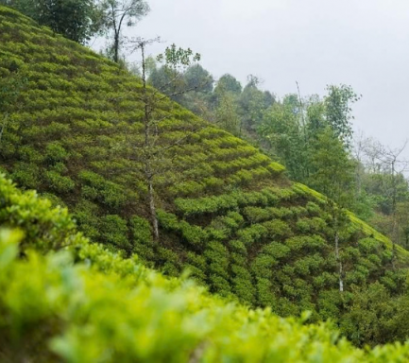
Nestled in the Mahabharat foothills of Bagmati Province, Sindhuli is widely recognised for its historic fortresses, winding highways, and beautiful countryside. Yet beyond these familiar attractions lies a lesser-explored chapter of Nepal’s past: traditional iron mining and metalworking. Although specific iron-smelting sites in Sindhuli remain undocumented, the district’s geographical setting provides an interesting perspective on Nepal’s early industrial heritage.
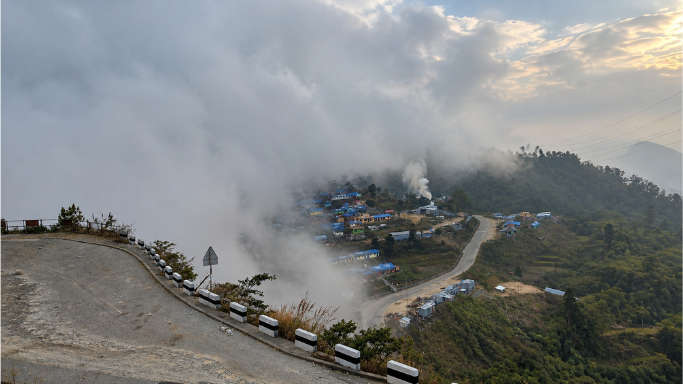
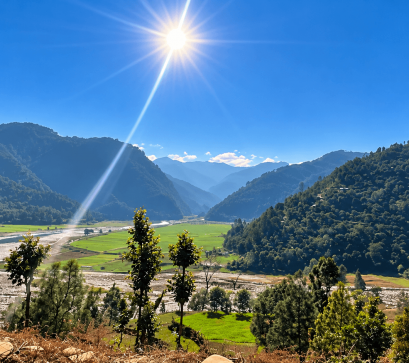
Covering approximately 2,491 square kilometres, Sindhuli features forested hills, fertile valleys, and traditional settlements. Around 64.83% of its land consists of forests and shrubland, highlighting the district’s close relationship with nature.
The Mahabharat Range has historically influenced settlement patterns, transportation, agriculture, and access to natural resources. Across Nepal, similar landscapes supported traditional mining and metalworking activities, connecting rural communities through craftsmanship and trade.
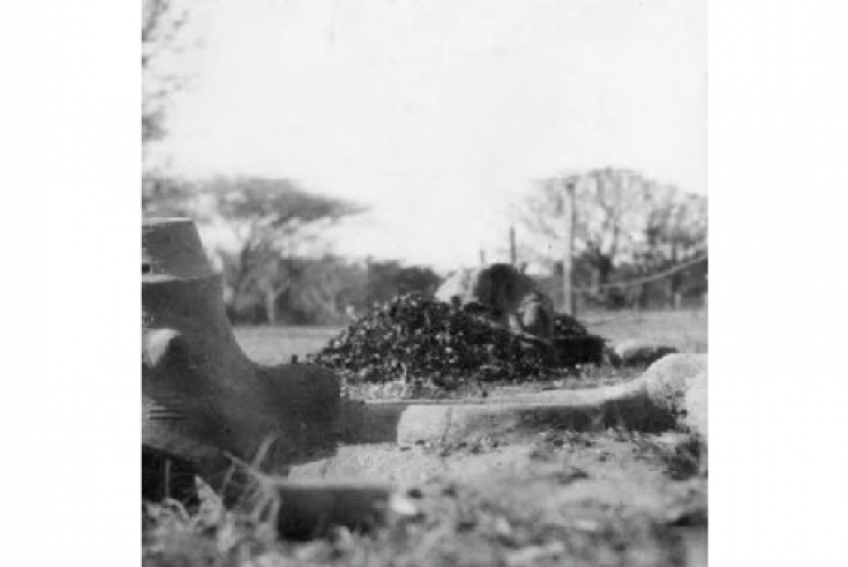
Before modern industrialisation, iron production played an essential role in Nepal’s rural economy. Local blacksmiths produced agricultural tools, household equipment, and other everyday implements.
Research published by the Nepal Geological Society confirms that indigenous mining and smelting existed in Nepal for more than two centuries. Traditional iron production involved heating iron-bearing ore with charcoal in furnaces, followed by repeated hammering to remove impurities and shape usable metal.
One documented example is the historic Thoshe iron deposit in neighbouring Ramechhap, where a gun factory was established in 1921. While this demonstrates the region’s industrial history, archaeological evidence is still needed to establish specific iron-smelting locations in Sindhuli.
Sindhuli Gadhi, approximately 20 kilometres from Sindhulimadhi, remains one of the district’s most important historical attractions. The fortress is famous for the 1767 battle in which Gorkhali forces defeated British East India Company troops.
Visitors can explore the historic fortifications while enjoying panoramic views of the surrounding hills.
Another remarkable destination is Hariharpur Gadhi, associated with Nepal’s Sena and Shah periods. Its hilltop setting provides insight into the region’s military history and traditional settlement patterns.
Neither fortress has a verified direct connection to local iron-smelting activities.
Traditional iron production gradually declined during the twentieth century due to changing policies, fuel shortages, technical challenges, and the growing availability of manufactured products.
Today, Sindhuli has opportunities to preserve its lesser-known heritage through archaeological research, oral histories, and community participation.
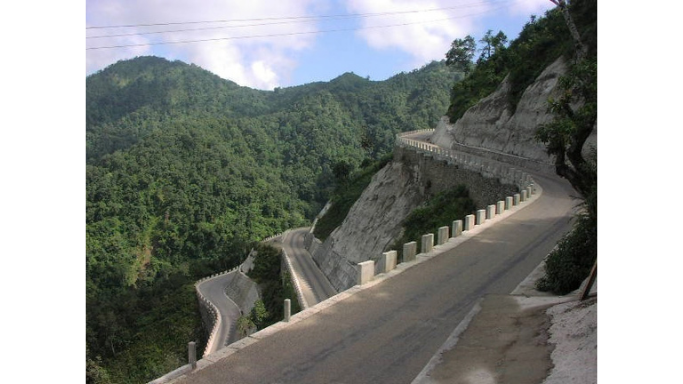
Travellers can explore the district along the BP Highway, combining historic fortresses with the junar orchards of Golanjor and Fikkal.
Sindhuli’s story extends beyond battles and beautiful landscapes. Further research into traditional industries could uncover valuable connections between its natural resources, craftsmanship, and communities, enriching Nepal’s cultural heritage for future generations.