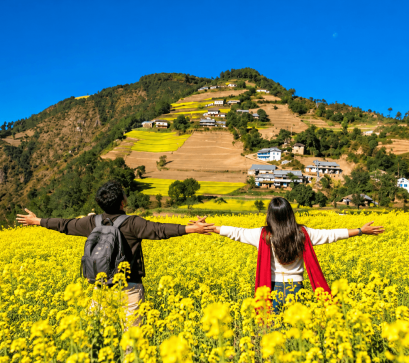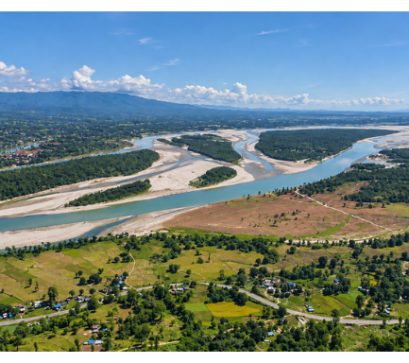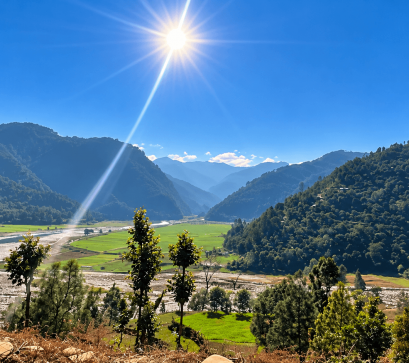
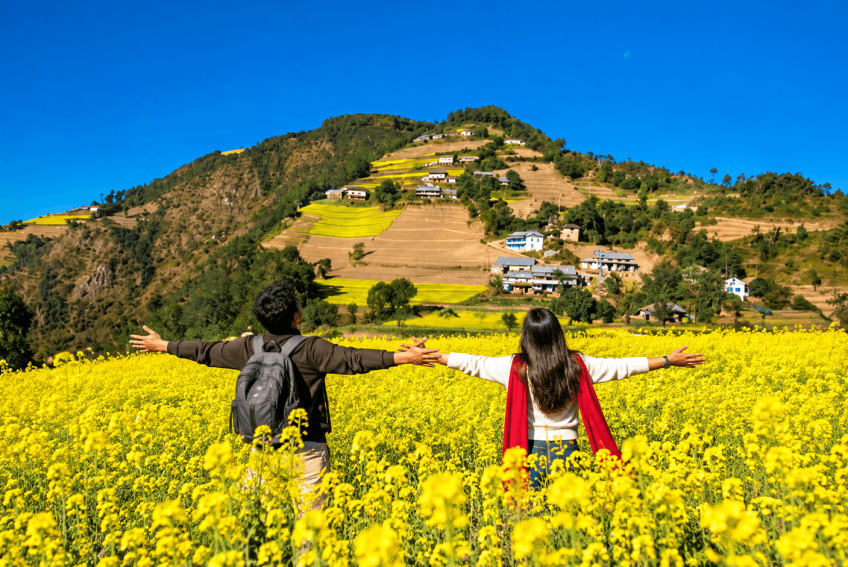
Away from Kathmandu’s crowded streets and busy neighbourhoods, Lele Valley in Lalitpur offers a quieter side of the Kathmandu Valley. Surrounded by green hills, terraced farmland, and traditional settlements, this rural destination combines natural beauty with centuries of cultural history. Located near the foothills of Phulchoki, Lele is an appealing destination for travellers seeking village walks, heritage exploration, and peaceful countryside experiences.
Lele’s historical importance stretches back to the Licchavi period, approximately the fifth to eighth centuries CE. Historically associated with the name Limbatidranga, the settlement was an important administrative centre. Ancient stone inscriptions linked to the Licchavi era provide evidence of its historical significance. Today, the valley’s old shrines, settlements, and agricultural landscape preserve elements of this heritage.
Among its religious landmarks, Tileshwor Mahadev Temple and Saraswati Kunda hold particular cultural importance. Saraswati Kunda, a sacred water site, remains associated with local religious traditions, while nearby shrines such as Champeshwori and Maneshwori reflect the area's spiritual heritage. Travellers can also visit Tika Bhairab Temple along the route through Chapagaun.
Agriculture remains central to Lele’s identity. Its fertile fields support rice, wheat, potatoes, tomatoes, cauliflower, and other seasonal vegetables. Mushroom cultivation and modern farming techniques have also become important local agricultural activities. Irrigation supported by local water sources, including the Nallu River system, helps sustain the valley’s productive farmland.
During spring, particularly from March to May, the surrounding hills become especially attractive as rhododendrons bloom across forested slopes. Lele offers opportunities for countryside walks, photography, and exploring rural trails. Its proximity to the Phulchoki landscape also makes it appealing to nature enthusiasts, although the main Phulchoki summit hiking route generally begins from Godawari.
Beyond its scenery, Lele holds a place in modern history. The nearby PIA Memorial Park commemorates the 167 people who died in the Pakistan International Airlines Flight 268 crash on 28 September 1992. The area is also associated with Anandaban Hospital, an important institution in Nepal’s leprosy treatment and rehabilitation history.
Reaching Lele is relatively convenient. The valley lies approximately 14 kilometres from Lagankhel, accessible through Chapagaun and Tika Bhairab. Road journeys generally take around 30–60 minutes from Lagankhel, depending on transport and road conditions. From central Kathmandu, visitors should allow approximately 1–1.5 hours.
Spring and autumn offer particularly pleasant conditions for exploring the valley, while the monsoon transforms its farmland into vibrant green landscapes.
For travellers looking beyond Kathmandu’s familiar attractions, Lele offers something increasingly valuable: an authentic rural landscape where ancient heritage, everyday farming traditions, and peaceful natural surroundings remain closely connected.