Just a few hours' drive northeast of Kathmandu rises one of Nepal's most rewarding and underrated mountain escapes: Ama Yangri, the crown of Helambu's high ridge. Located in Sindhupalchok District within the boundary of Langtang National Park, this peak combines sweeping Himalayan views, ancient rhododendron forests, and the living heritage of the Hyolmo (Yolmo) and Sherpa peoples. Often called the "Poon Hill of Kathmandu," it offers big-mountain scenery without a multi-week commitment.
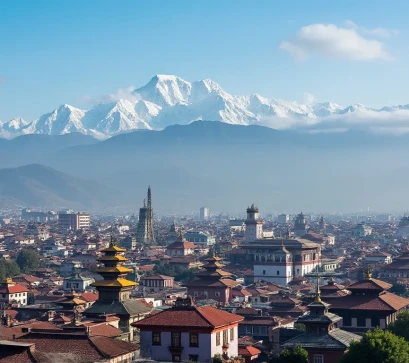
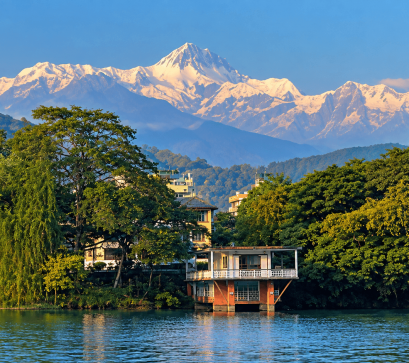
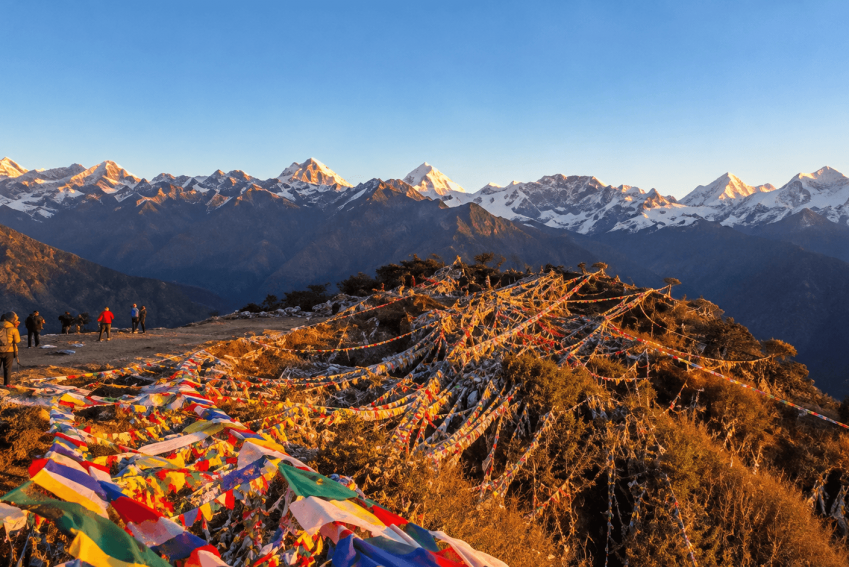
At 3,771 meters, Ama Yangri is the highest viewpoint closest to the capital. From its summit, a 360-degree panorama opens up: Langtang Lirung, Jugal Himal, Ganesh Himal, Dorje Lakpa, Gaurishankar, and on clear days even distant glimpses of Everest. At dawn, the valleys below often vanish beneath a sea of clouds, leaving the snow peaks floating like islands.
For the people of Helambu, Ama Yangri is far more than a viewpoint. She is revered as a goddess, the "Mother Protector" who watches over the entire valley. A sacred chorten crowns the summit, wrapped in prayer flags left by pilgrims.
Locals believe that simply seeing the mountain brings long life and good fortune, and villagers traditionally look back at her before a journey and bow to her on their return. Every year on the full moon of Chaitra (March–April), thousands of devotees climb before dawn with butter lamps and offerings, as lamas perform pujas to greet the sunrise.
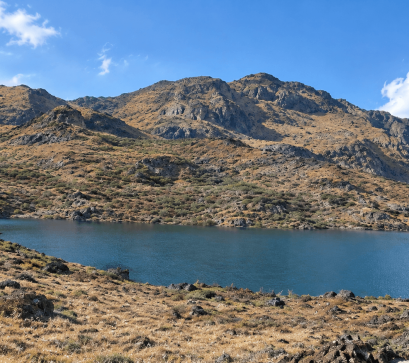
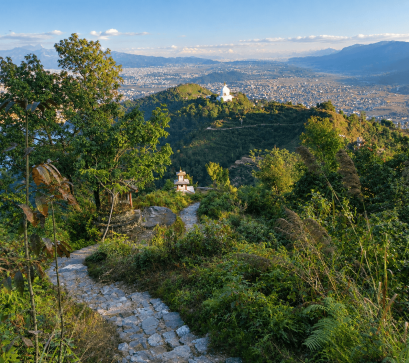
The trail to the summit climbs through moss-covered oak, pine, and rhododendron forests that blaze pink and red in spring. Above the tree line, the landscape opens into rocky slopes and alpine pastures where yaks graze in summer. The surrounding ridges, including Chitre Danda, offer dramatic views over deep river valleys filled with drifting clouds.
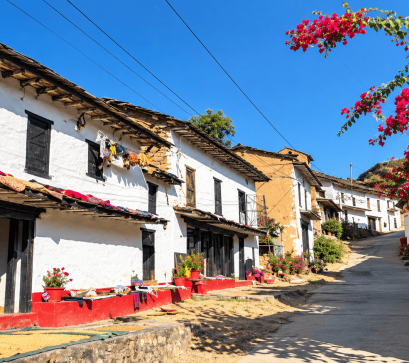
The journey passes through historic settlements such as Tarkeghyang, Helambu's oldest Sherpa village, and Shermathang. Stone houses, mani walls, prayer wheels, and centuries-old monasteries reflect the region's deep Tibetan Buddhist roots. Helambu is regarded as a beyul, a hidden sacred valley associated with Guru Rinpoche and the yogi Milarepa, both said to have meditated here. Local legend even says Tarkeghyang once stood on Ama Yangri's slopes before the rocky terrain forced villagers to move lower.
Ama Yangri can be visited in just two to three days. A local bus runs from Kathmandu to Tarkeghyang (about 2,600 m) via Melamchi in roughly six to seven hours, while jeeps can reach Ama Yangri Base Camp at Chomothang (about 3,200 m). Most trekkers stay overnight at base camp and start around 3 a.m. to catch the sunrise. The final climb is short but steep and rocky, so trekking poles, a headlamp, and warm layers are essential.
Autumn (September–November) brings crisp, clear skies, while spring (March–May) paints the forests with rhododendrons. Winter offers snow and excellent visibility for those prepared for freezing mornings; the monsoon is best avoided. Foreign trekkers need a Langtang National Park entry permit (NPR 3,000, or NPR 1,500 for SAARC nationals).
Ama Yangri proves that the Himalaya's magic doesn't require weeks on the trail. In a single weekend, you can stand among prayer flags at sunrise, walk through blooming forests, and share tea in Hyolmo villages where every stone and summit carries a story.