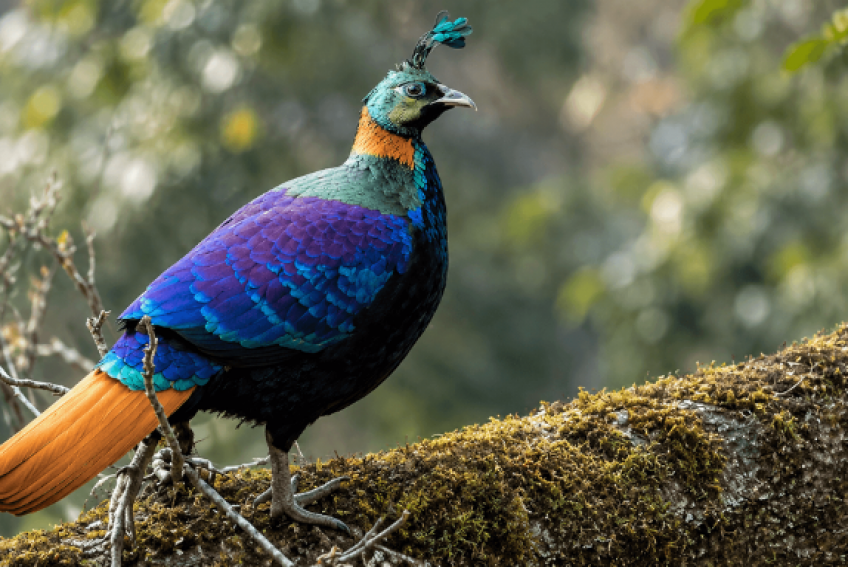
In Nepal's far southeastern Terai, the Sapta Koshi River spreads across a braided floodplain of marsh, grassland and shifting sand islands. This is Koshi Tappu Wildlife Reserve, a small protected area with a very large reputation. It is Nepal's leading birding destination and the last home of the country's wild water buffalo, or arna.
Koshi Tappu was gazetted in 1976 to protect the arna. It covers 175 square kilometres across Sunsari, Saptari and Udayapur districts. In December 1987 it became Nepal's first Ramsar site, a wetland of international importance.
Tappu means island, and the name fits. Every monsoon the river rearranges its channels, drowning some islands and creating others. The reserve sits just 75 to 81 metres above sea level. It is a mosaic of reed beds, oxbow lakes, mudflats, tall grassland and riverine forest, and that constant renewal is what makes it so productive.
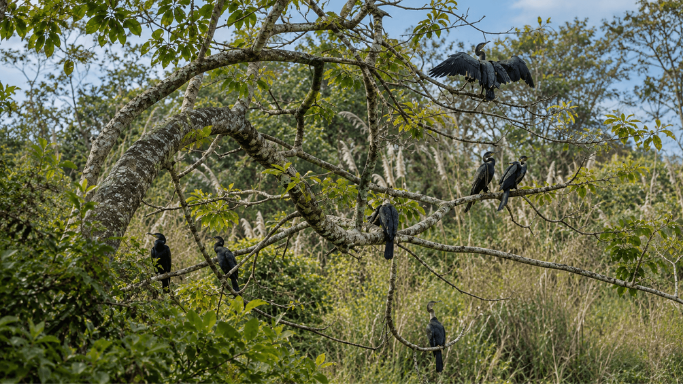
More than 500 bird species have been recorded in and around the reserve. It lies on a major migratory flyway, so each winter ducks, geese and waders arrive from Siberia and Central Asia.
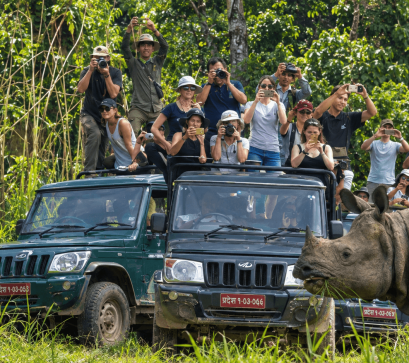
Key targets include the Swamp Francolin, which has its largest Nepali population here. Others are Baer's Pochard, Pallas's Fish Eagle, Bengal Florican, Indian Skimmer, Lesser Adjutant, Black-necked Stork and Bristled Grassbird. If you are patient, the marshes also reveal bitterns, crakes and rails. Beyond birds, look for wild water buffalo, nilgai and hog deer. With luck you may see a Gangetic river dolphin.
October to March is the season to visit. December to February brings peak numbers of waterfowl and raptors, and March adds passage migrants. From April the heat builds. The June–September monsoon floods tracks and makes access impractical.
Koshi Tappu is best explored slowly, on foot and by water. A licensed naturalist guide is required. Early morning walks along the embankments with your guide give the best results. A quiet boat trip on the Sapta Koshi brings waterbirds into close view.
The Bird Tower, Animal View Tower and Pink Tower give elevated views over the marsh. The Koshi Barrage, just south of the reserve, is a birding hotspot in its own right. Pack binoculars, a spotting scope for open water, and warm layers for foggy winter dawns.
Fly about 50 minutes from Kathmandu to Biratnagar, then drive roughly 90 minutes to the reserve headquarters at Kusaha. A few camps and lodges operate nearby. Daily entry fees differ for Nepali, SAARC and foreign visitors, so confirm current rates before you travel.
Illegal grazing, invasive plants and pressure from surrounding settlements all threaten Koshi Tappu. Visiting responsibly with local guides helps show that this remarkable wetland is worth protecting.