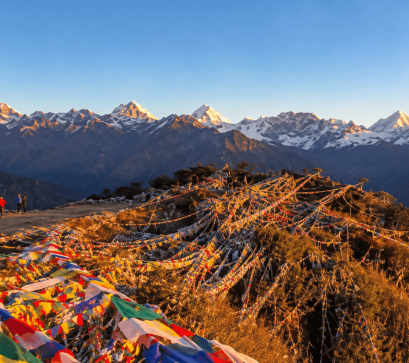
Barun Valley is one of the last truly wild corners of the Himalaya: an uninhabited valley below Mount Makalu (8,485 m), the world's fifth-highest peak. It lies inside Makalu Barun National Park in eastern Nepal and sees only a few hundred trekkers a year.
The classic route follows the valley to base camp (about 4,870 m), roughly 19 days round trip from Num. The ridge above camp reveals Makalu's south face, Lhotse, Chamlang and Everest's rarely seen Kangshung face. A shorter 16-day trek turns around at Yangle Kharka (about 3,600 m).
The trail climbs from warm bamboo forest through rhododendron and conifer to alpine meadow and the Barun Glacier, passing granite cliffs and thundering waterfalls along the way.
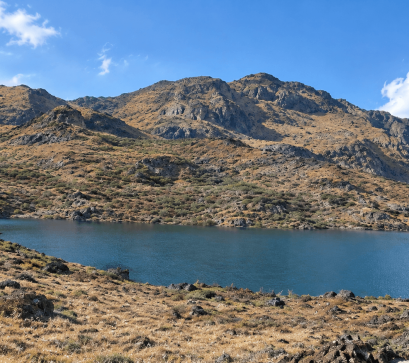
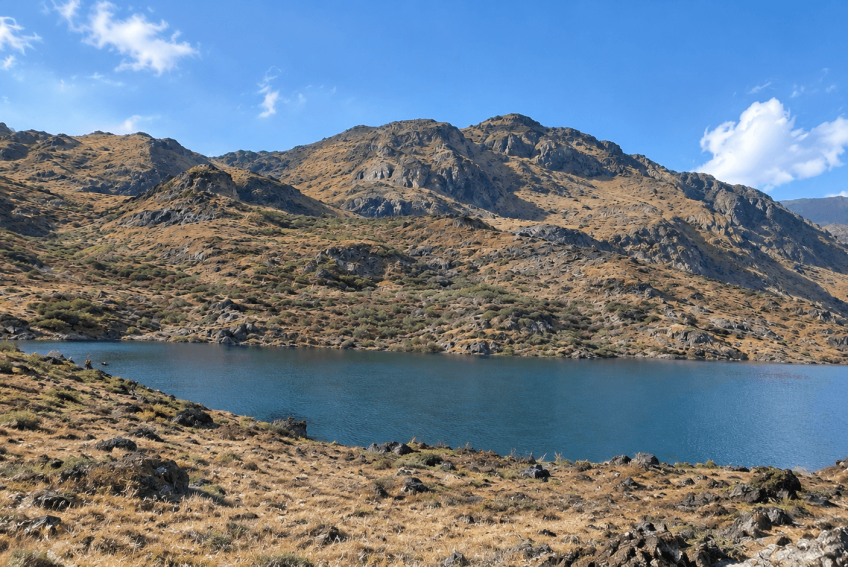
Keke La and Shipton La (over 4,100 m), named after explorer Eric Shipton, give views of Chamlang and Peaks 6 and 7, with the dark lake Kalo Pokhari between them.
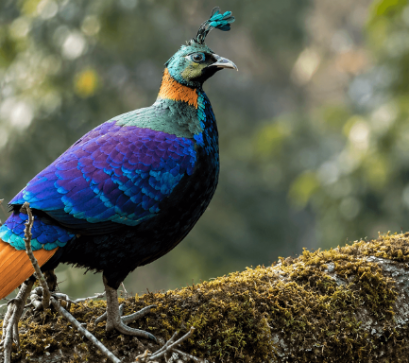
The park shelters about 75 mammal species, including red panda, musk deer, Himalayan black bear and the elusive snow leopard, plus some 440 bird species. Watch for the Himalayan monal, Nepal's national bird.
Around 3,000 flowering plants grow here, including 25 rhododendron species and 47 orchids. Swertia barunensis and Potentilla makaluensis exist nowhere else, earning the valley the name "living laboratory."
Tibetan Buddhists revere the region as a beyul, a hidden refuge blessed by Guru Rinpoche where life will survive a great cataclysm. Its caves and cliffs are used for meditation and pilgrimage.
Shiva Dhara is a 500-foot dome-shaped cave with a waterfall pouring from its roof, revered as Lord Shiva's sacred tap. Reaching it takes a dangerous 3 to 4 hour climb with local help. Tadaso is a cliff with a waterfall bursting through a hole in its face.
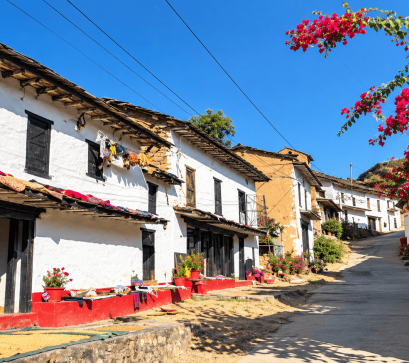
Rai, Sherpa and Limbu villages line the lower trail. Tashi Gaon (about 2,100 m), a Sherpa village, is the last permanent settlement.
Sleep in high meadows (kharkas) such as Langmale and Yangle. Past Tashi Gaon there is no phone signal, just the river and the mountains.
Autumn (late September to November) brings the clearest views; spring (March to May) brings rhododendron blooms. Monsoon and winter suit only well-prepared trekkers.
Fly from Kathmandu to Tumlingtar (35 to 50 minutes), then drive to the trailhead at Num. Build in spare days, as flights depend on the weather.